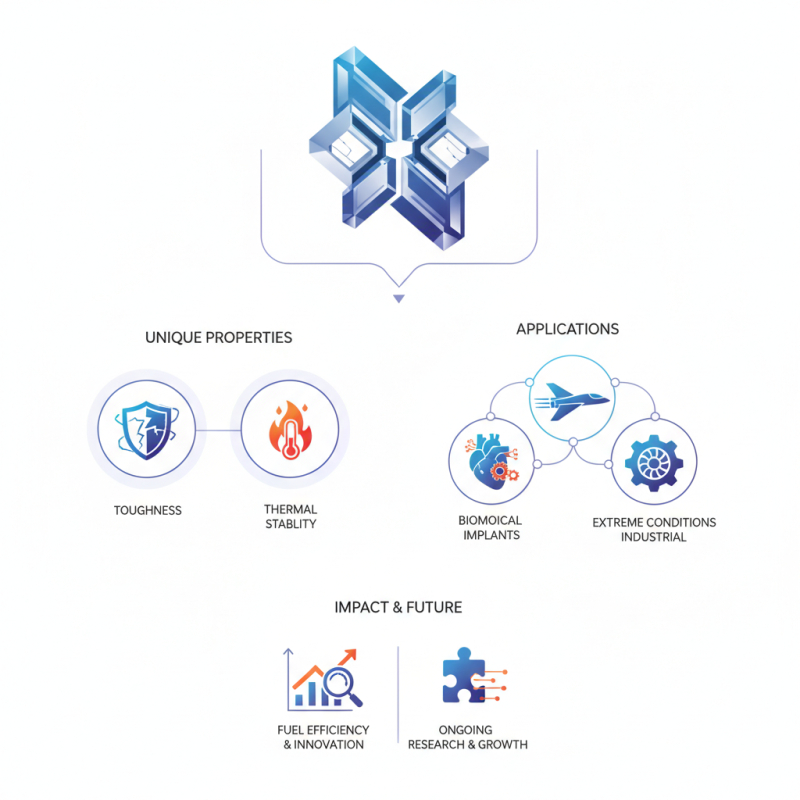
In today’s fast-paced tech world, you really can’t ignore how important Structure Ceramics are. These materials have totally changed the game across so many industries, thanks to their unique features like toughness and thermal stability. Dr. Emily Chen, a top expert over at Advanced Ceramics Innovations, put it nicely: "Structure Ceramics really bridge the gap between old-school materials and cutting-edge applications." That just highlights how crucial they’ve become in modern engineering stuff.
You’ll find these ceramics popping up everywhere—from aerospace to healthcare. Companies use them in parts that need to handle super extreme conditions. Take aerospace, for example—they’re great because they’re lightweight, which helps improve fuel efficiency on planes. But, gotta mention, producing these materials with consistent quality isn’t always easy. Not every manufacturer hits the mark on those strict standards.
Even with all their perks, some things about Structure Ceramics are still pretty much a mystery—like how reliable they are over the long haul in harsh environments. Researchers are continuously working to figure this stuff out. So yeah, the whole story of Structure Ceramics is packed with potential and plenty of room for growth—it’s an exciting field, no doubt.
Definition and Overview of Structural Ceramics
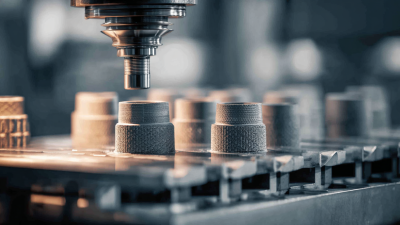
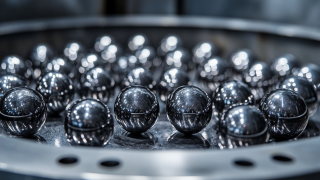
Structural ceramics are advanced materials known for their exceptional mechanical properties. These materials have great strength and durability. They can withstand extreme temperatures and harsh environments. One common type is
Lanik Foam Ceramics. This material offers a unique combination of lightweight and
structural integrity.
The production process of structural ceramics involves complex techniques. These processes can result in variations in quality. Sometimes, imperfections may arise during manufacturing. However, these imperfections can lead to innovative uses. Engineers often adapt their designs based on the properties of the ceramics.
In real-world applications, structural ceramics find use in various industries. Aerospace and automotive sectors benefit significantly from these materials. They help reduce weight while maintaining strength. Despite their advantages, one must consider the cost of production. This aspect may limit their use in some applications. However, the potential benefits often outweigh the drawbacks.
Key Properties of Structural Ceramics That Enable Their Use
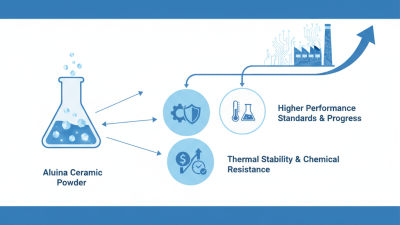
Structural ceramics have emerged as a pivotal material in various modern applications due to their unique properties. High hardness, low density, and thermal stability make them ideal for industries like aerospace and healthcare. Reports suggest that the global market for structural ceramics is expected to reach $25 billion by 2025, driven by increasing demand for high-performance materials.
One key property of structural ceramics is their exceptional wear resistance. This feature enables their use in cutting tools and automotive parts. For example, silicon carbide ceramics can withstand extreme temperatures and pressures. Their lightweight nature also contributes to fuel efficiency in aerospace applications. However, these materials are brittler compared to metals. This brittleness can lead to catastrophic failures if not properly designed.
Tip: When considering structural ceramics, assess the environment where they will be used. Ensure compatibility with temperatures and stresses involved.
Another significant property is corrosion resistance. Structural ceramics resist chemical wear, which is vital in chemical processing industries. This advantage prolongs their lifespan and reduces maintenance costs. Nonetheless, the manufacturing process can be energy-intensive and costly. It’s crucial to evaluate the trade-offs of using these materials before implementation.
Tip: Research innovative manufacturing processes that enhance the sustainability of structural ceramics. Such technologies may reduce costs and environmental impact.
Applications of Structural Ceramics in Aerospace Engineering
Structural ceramics play a vital role in aerospace engineering. Their exceptional strength-to-weight ratio makes them indispensable. These materials resist high temperatures and can operate under extreme conditions. According to recent industry reports, structural ceramics can withstand temperatures exceeding 1,500 degrees Celsius. This makes them ideal for components in jet engines and thermal protection systems.
One compelling example is zirconia ceramics. These ceramics are known for their toughness and stability. They are commonly used in aerospace applications, including turbine blades and exhaust systems. However, challenges exist. Manufacturing zirconia ceramics can be complex. The production process requires precision to avoid defects. Even a minor flaw can lead to material failure.
The aerospace sector is continually pushing boundaries. New formulations and processing techniques for structural ceramics are in development. The goal is to enhance performance while reducing costs. As aerospace demands increase, innovation becomes crucial. Engineers need materials that are both reliable and efficient. The future of structural ceramics in aerospace engineering appears promising, yet challenges remain.
What are the Benefits of Structure Ceramics in Modern Applications?
| Property |
Description |
Application in Aerospace Engineering |
| High Temperature Resistance |
Structural ceramics can withstand extreme temperatures without degrading. |
Used in thermal barriers and engine components. |
| Lightweight |
Structural ceramics are significantly lighter than metals, improving fuel efficiency. |
Incorporated in airframes and turbine components. |
| Corrosion Resistance |
These materials are resistant to oxidation and chemical corrosion. |
Ideal for components exposed to harsh environments. |
| Strength |
High compressive strength allows for load-bearing applications. |
Used in load-bearing structures and engine parts. |
| Thermal Conductivity |
Certain structural ceramics offer excellent thermal conductivity. |
Applied in heat exchangers and thermal management systems. |
The Role of Structural Ceramics in Medical Devices and Implants
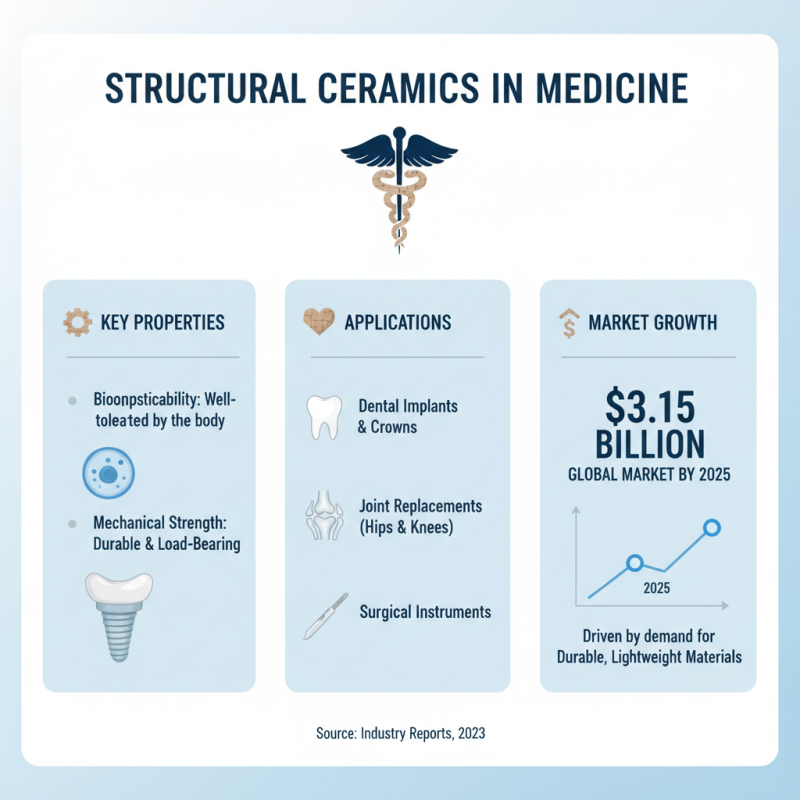
Structural ceramics play a vital role in modern medical devices and implants. These materials exhibit excellent biocompatibility and mechanical strength, making them suitable for various applications. Reports indicate that the global market for ceramic implants is expected to reach $3.15 billion by 2025. This growth reflects the rising demand for durable, lightweight materials in healthcare.
In recent studies, structural ceramics such as zirconia and alumina have shown promise in dental and orthopedic implants. Their resistance to wear and corrosion enhances the longevity of these devices. For instance, zirconia has a flexural strength of about 1,200 MPa, which is significantly higher than many metals used in implants. However, the brittleness of ceramics can lead to fracture under specific stress conditions, raising concerns about their usage.
Moreover, the manufacturing process of structural ceramics is not without challenges. Achieving high precision and minimizing defects is crucial. Reports indicate that discrepancies in microstructure can lead to variability in performance. This area requires careful optimization to ensure patient safety and device reliability. As the field advances, continuous research and development are essential for overcoming these hurdles.
Advancements in Structural Ceramics for Energy Efficiency Solutions
Structural ceramics have gained attention in various modern applications, especially in energy efficiency. These materials can withstand high temperatures and pressures. Their lightweight properties make them ideal for various industries.
According to industry studies, the global market for structural ceramics is projected to reach $15 billion by 2025. This growth highlights their importance and versatility in applications like aerospace, automotive, and energy sectors.
Recent advancements have focused on improving the thermal and mechanical properties of structural ceramics. High-performance ceramics are now used in heat exchangers and insulators. A report from the American Ceramic Society indicates that these materials can improve energy efficiency by up to
30% in some applications. However, the cost of production can be a barrier. Many manufacturers find it challenging to balance performance and affordability.
Tips: When considering structural ceramics, assess the specific requirements of your project. Choosing the right type for your application is crucial. Not all ceramics perform equally in energy efficiency. Also, remember that while advancements are promising, ongoing research is needed to address production challenges.
Engaging with materials experts can provide deeper insights. The future of structural ceramics depends on innovation and adaptation in response to industry needs.
Comparative Advantages of Structural Ceramics Over Traditional Materials
Structural ceramics offer numerous advantages over traditional materials. One key benefit is their exceptional heat resistance. Studies indicate that ceramics can withstand temperatures exceeding 1,600°C. This makes them ideal for applications in aerospace and automotive sectors. Their ability to maintain structural integrity under extreme conditions is unmatched.
Another significant advantage is their weight-to-strength ratio. Structural ceramics often boast a higher strength-to-weight ratio than metals. For instance, a ceramic component can be lighter but stronger than its metal counterpart. This is particularly beneficial in industries where reducing weight is critical. Aerospace parts made from ceramics can enhance fuel efficiency and performance.
However, there are challenges. Ceramics can be brittle. This brittleness may lead to unexpected failures under certain stresses. Engineers must carefully design structures to mitigate this risk. Proper testing protocols are essential. With ongoing research, the industry is making strides in enhancing the toughness of ceramics. The potential of structured ceramics continues to evolve, revealing new applications and improved characteristics.
Future Trends and Innovations in Structural Ceramics Technology
Structural ceramics have gained momentum in various industries, driven by their unique properties. They are lightweight, strong, and heat resistant, making them ideal for advanced applications. According to a recent market report, the global structural ceramics market is expected to grow at a CAGR of 9.5% by 2026. This indicates a rising demand for innovation in this sector.
Future trends in structural ceramics are exciting. Researchers are exploring bio-inspired designs and nanostructured materials. These advancements can lead to stronger ceramics with enhanced performance. For example, using 3D printing technologies allows for complex geometries that traditional methods cannot achieve. This versatility could redefine manufacturing protocols in aerospace and automotive industries.
Tips: When considering structural ceramics, look for applications that require high durability. For projects involving extreme temperatures, ceramic options may be more suitable than metals. Be aware that the cost of production can be higher initially, but the long-term benefits often outweigh these expenses. Innovation in this field is still evolving; remaining adaptable is key to maximizing potential applications.
FAQS
: You can hike, visit museums, or explore local markets. Take a walk in the park.
Ask friends or use social media. Check online reviews for reliable suggestions.
Try meditation or go for a short walk. Take breaks and listen to music.
Start with simple recipes. Watch cooking videos for techniques. Practice makes perfect.
Combine cardio and strength training. Aim for 30 minutes of activity most days.
Create a study schedule. Find a quiet space and eliminate distractions.
Make a shopping list and stick to it. Buy in bulk and look for sales.
Consider board games or DIY crafts. You could also watch movies or read a good book.
Regular cleaning is essential. Tackle major areas weekly. Dust and tidy daily.
Spend time with friends. Engage in hobbies you love. Sometimes, just getting outside helps.
Conclusion
Structural ceramics are advanced materials characterized by their exceptional mechanical properties, high-temperature resistance, and chemical stability, making them ideal for a variety of modern applications. The unique attributes of structural ceramics allow for their efficient use in critical areas such as aerospace engineering, where they enhance performance and durability. In the medical field, these materials play a vital role in the development of implants and devices, offering biocompatibility and longevity.
Recent advancements in structural ceramics are also driving innovations in energy efficiency solutions, highlighting their comparative advantages over traditional materials, such as reduced weight and improved thermal management. As research continues, we can anticipate future trends that will further expand the capabilities and applications of structural ceramics, positioning them as a cornerstone in engineering and technology.