Lately, there’s been a real surge in demand for sustainable packaging solutions. People are more aware than ever about environmental issues, and everyone’s looking for ways to cut down their carbon footprint.
 Metal packing—think aluminum and stainless steel—has been gaining traction as a solid alternative to the usual packaging options. It’s pretty appealing because it's recyclable and tough as nails. Actually, a recent report from Smithers Pira mentioned that metal packaging is expected to grow at about 3.4% annually through 2024. That really shows how popular it’s becoming across industries like food, beverages, and even pharmaceuticals. On the tech side, companies like Pingxiang Baitian (Ball-tec) New Materials are making waves by developing high-quality zirconia and alumina micro-crystalline ceramic grinding media.
These innovations help improve manufacturing processes for metal packaging solutions. All in all, as more companies push toward being environmentally friendly, metal packing’s role in shaping the future of packaging is only going to get bigger.
Benefits of Metal Packaging in Reducing Carbon Footprint
Metal packaging has really become a go-to solution when it comes to sustainable packaging these days, especially because it helps cut down the carbon footprint from shipping products around. I read somewhere—thanks to the European Aluminium Association—that aluminum cans and packaging can slash carbon emissions by up to 75% compared to plastics or other materials. That’s pretty huge!
A big reason for this is how energy-efficient recycling aluminum is—it takes only about 5% of the energy needed to make new aluminum from scratch, which means fewer greenhouse gases and a lot less strain on natural resources.
And, let’s not forget, metal packaging lasts a while. It’s super durable, so it can be reused and recycled again and again without losing quality. The same report from the European Aluminium Association pointed out that in 2020, over 75% of aluminum packaging in Europe was recycled—talk about a solid recycling system!
Switching to metal packaging not only shows companies are serious about being eco-friendly, but it also helps them connect with customers who are more and more into green options. Basically, it’s a win for the planet and business too.
Innovative Metal Packing Designs for Sustainable Product Protection
Innovative metal packaging designs are really leading the way in sustainable product protection. They're a great combo of durability and eco-friendliness. Using metals like aluminum and stainless steel doesn’t just make the packaging last longer — it also cuts down on the need for piling on layers of protective materials. Thanks to new manufacturing techniques, modern metal packaging can be crafted with pretty intricate details, fitting a bunch of different products snugly, which helps cut down wasted space and makes shipping way more efficient.
Plus, metal packaging is super recyclable. That means these materials can be processed multiple times without losing their quality, making them a smart choice for brands wanting to lessen their environmental footprint. Some of the newer designs even come with features like resealable tops or easy-open tabs, which make things easier for consumers while keeping products fresh and safe. By focusing on both practicality and sustainability, companies can come up with packaging solutions that not only wow eco-conscious buyers but also push the industry toward better standards.
Understanding the Benefits of Metal Packing in Sustainable Packaging Solutions
This chart illustrates the various benefits of metal packing in sustainable packaging solutions, highlighting key metrics such as recyclability, durability, protection level, and weight, which contribute to its effectiveness as a sustainable packaging option.
Cost-Effectiveness of Metal Packaging in a Circular Economy
Metal packaging is actually a pretty smart choice when you think about the whole circular economy thing. It lasts a long time and doesn’t need to be replaced constantly, which helps cut down on material costs in the long run. Unlike some other packaging options that can fall apart or wear out pretty quickly, metal can handle pretty much anything, making it a solid investment if you're looking to save some cash over time.
And here’s the cool part—metal's super recyclable. When you recycle metal packaging, it can be turned into new products without losing its quality. That means less need to mine for new raw materials, which is a big win for resource conservation. Plus, recycling metal takes less energy and produces fewer greenhouse gases compared to making new stuff from scratch. As consumers become more eco-conscious, companies that choose metal packaging can really boost their appeal. It’s a win-win: they stay competitive and do their part for the environment at the same time.
Recyclability and Reusability of Metal: A Sustainable Edge
Metal packaging has really become a go-to option when it comes to eco-friendly packaging solutions. Why? Well, because it’s almost unbeatable when it comes to recycling and reusing. Unlike a lot of other materials that might degrade after a while, metal can be recycled over and over again without losing its quality or becoming less pure. That’s pretty awesome, right? It means we don’t have to keep extracting new raw materials, and it also helps cut down on the energy used during production. When folks pick metal packaging, they’re actually helping support a circular economy — kind of like giving products a second or third life — which, in the long run, really reduces our environmental impact.
And it’s not just about recycling; metal packaging has this bonus of being easily reusable too. Think about cans, jars, or tins — many of them can be cleaned up and repurposed for all sorts of things. This kind of reusability encourages people to get creative and find new uses for stuff that might have otherwise just been tossed out. It’s pretty cool because it promotes a habit of reuse and helps keep waste out of landfills. So, when brands focus on using recyclable and reusable materials like metal, they’re actually joining the fight for a healthier planet. Plus, they’re appealing to consumers who really care about the environment, all while cutting down on waste and pollution overall.
Consumer Perception: The Growing Preference for Metal Packaging
These days, more and more folks are really paying attention to the environment, and you can definitely see that in how packaging choices are shifting. Metal packaging, for example, is becoming super popular because it’s recyclable and tough—that hits a chord with eco-conscious consumers for sure. Brands are catching on, tweaking their packaging strategies to include more metal options because people care about sustainability. No kidding, metal packaging is pretty much becoming a top pick among those who want to shop responsibly.
If you're a brand, a good tip is to really shout out the fact that metal packaging is recyclable. People love knowing that their choices actually make a difference. Showing how metal items are reused or recycled throughout their lifecycle can really help build trust and loyalty—they want to see that their support is making an impact.
On the flip side, the reason folks are leaning toward metal isn’t just about being eco-friendly—it also looks good and works well. Metal containers do a great job at protecting products, keeping them fresh longer, and maintaining high quality. Plus, they give off that sleek, premium vibe that can really boost how customers see your brand.
For consumers, a little tip—look out for products packaged in metal. It’s often a sign that a company is serious about sustainability. Supporting brands that go the extra mile with eco-friendly practices isn’t just good for the planet, but it also means you’re getting a high-quality product, and that’s a win-win in my book.
Understanding the Benefits of Metal Packing in Sustainable Packaging Solutions - Consumer Perception: The Growing Preference for Metal Packaging
| Attribute |
Metal Packaging |
Conventional Packaging |
Consumer Preference (%) |
| Sustainability |
100% recyclable |
Limited recyclability |
65% |
| Durability |
Highly durable |
Less durable |
58% |
| Aesthetics |
Premium look |
Basic or average look |
72% |
| Barrier Properties |
Excellent barrier |
Variable barrier performance |
70% |
| Weight |
Moderate weight |
Lightweight options |
50% |
| Cost |
Higher initial cost |
Lower initial cost |
45% |
Industry Trends Driving the Adoption of Metal in Sustainable Solutions
Lately, there's been a real buzz around sustainable packaging, and honestly, it’s picking up steam pretty fast. Companies are on the lookout for ways to cut down their environmental impact, and metal packaging—especially aluminum and tin—seems to be gaining popularity. Why? Because it’s recyclable, tough, and just feels more eco-friendly. As folks become more conscious about the planet, brands are stepping up their packaging game to meet those green goals, which is really driving the shift toward metal solutions. Some of the biggest brands are investing heavily in metal packaging to catch the eye of eco-aware customers. They often highlight how recyclable it is and how, over its whole lifecycle, it actually leaves a smaller carbon footprint compared to plastic. Pretty neat, right?
On top of that, government regulations and initiatives aimed at cutting down plastic waste are really pushing the industry to get creative. Countries around the world are putting policies in place that favor materials less harmful to our planet, and that’s definitely shaping the trends. Plus, metal’s flexibility in design gives brands a chance to make packaging that’s not only durable but also super attractive—think eye-catching, memorable, and still eco-friendly. As these trends keep evolving, it looks like metal packaging is all set to play a major role in shaping a more sustainable future for packaging everywhere.
Innovative Wear & Heat Resistant Ceramic Structured Packing: Enhancing Efficiency and Durability in Industrial Applications
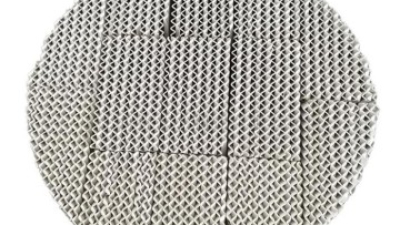
Innovative Wear & Heat Resistant Ceramic Structured Packing is transforming industrial applications by enhancing both efficiency and durability. Ceramic corrugated packing represents a groundbreaking advancement in packing materials, featuring a unique structure composed of uniformly geometrically shaped packing units. This design not only facilitates optimal gas flow through tortuous channels but also maximizes the exposure of liquid surfaces to create thin films, thereby enhancing wettability. According to industry data, the use of ceramic packing can increase mass transfer efficiency by up to 40% compared to traditional metal packings, particularly in demanding environments.
One of the standout features of ceramic corrugated packing is its remarkable hydrophilicity and resistance to corrosion and high temperatures. In contrast to metal packing, which can succumb to oxidation and wear under extreme conditions, ceramic packing maintains structural integrity and performance longevity. Studies indicate that ceramic packing can endure temperatures up to 1,200 degrees Celsius, making it ideal for applications in chemical processing and petrochemicals, where high thermal resilience is paramount. Additionally, its superior surface properties reduce liquid retention, which mitigates risks of overheating, polymerization, and coking—issues commonly faced with conventional packing materials.
As industries increasingly prioritize sustainable and efficient solutions, the adoption of ceramic structured packing is set to rise. With advancements in manufacturing techniques and materials science, the performance gap between ceramic and traditional metallic options continues to close, further driving demand for this innovative packing solution. As reported by industry analysts, the global market for ceramic packing is projected to grow at a CAGR of 15% over the next five years, underlining its importance in enhancing operational efficiencies across various industrial sectors.
FAQS
: Metal packaging can reduce carbon emissions by up to 75% compared to alternatives like plastic, mainly due to the energy efficiency of metal recycling, which uses only 5% of the energy needed to produce primary aluminum.
Metal containers are highly durable, reusable, and recyclable without losing quality. In 2020, over 75% of aluminum packaging was recycled in Europe, indicating a strong recycling infrastructure that lessens the environmental impact of packaging waste.
Innovative metal packing designs enhance product longevity while reducing the need for excessive protective materials. They can be precisely shaped to minimize wasted space and optimize shipping efficiency.
Metal packaging is highly recyclable and can be processed repeatedly without quality loss, making it a sustainable choice for brands aiming to lessen their environmental impact and contribute to a circular economy.
Modern metal packaging designs often include resealable tops and easy-open mechanisms, which enhance the user experience while ensuring product safety and freshness.
Consumers are becoming more eco-conscious and are more likely to choose products with sustainable packaging solutions, such as metal packaging, that align with their values and preferences for environmentally friendly products.
By shifting to metal packaging, companies can enhance their sustainability credentials and tap into the growing market for green alternatives, attracting eco-conscious consumers.
Advancements in manufacturing techniques allow for intricate metal packaging designs, which can cater to various products and improve shipping efficiency by reducing wasted space.
Aluminum and stainless steel are commonly used in innovative metal packing designs, combining durability with sustainability to protect products effectively.
The long lifespan of metal packaging means it can be reused and recycled multiple times, which significantly lowers the overall environmental impact compared to single-use or less durable materials.
Conclusion
Have you noticed how metal packaging is really taking center stage in the world of eco-friendly packaging? It's becoming a big deal because it brings quite a few advantages that help cut down our carbon footprint. Thanks to some clever, innovative designs, metal packaging not only keeps products safe and sound but also supports the whole circular economy vibe. Its ability to be recycled and reused makes it a super attractive option for both manufacturers and consumers—it’s like hitting two birds with one stone.
And, honestly, more and more people are now leaning toward metal packaging, which lines up with the broader industry shift toward greener materials. Companies like Pingxiang Baitian New Materials Co., Ltd. are really stepping up by combining advances in high-purity zirconia with metal packaging tech. This combo boosts both performance and sustainability, making their products stand out. As this trend picks up, it clearly shows that responsible, eco-conscious packaging isn’t just a trend—it’s the future, and it feels good to see the industry moving in that direction.