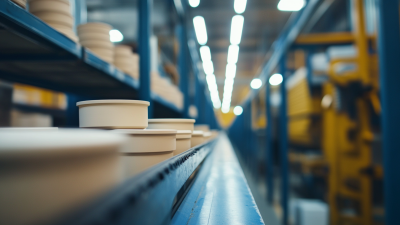
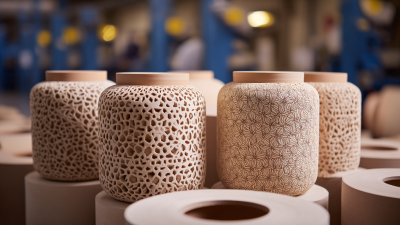
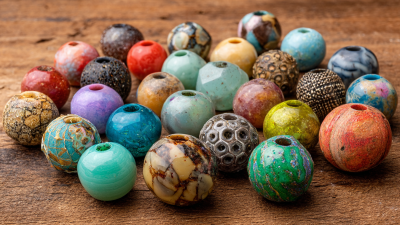
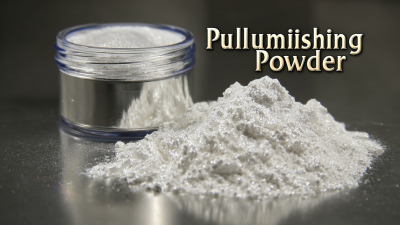
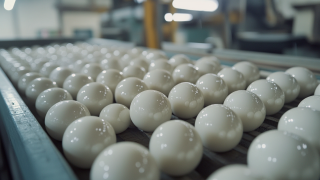
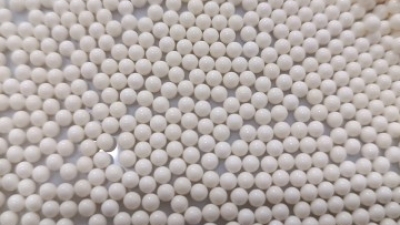
In today’s ever-changing world of industrial efficiency, Ceramic Packing really stands out as a game-changer. It’s quickly becoming essential for modern manufacturing, especially because companies are always looking to cut costs while boosting productivity. Take Pingxiang Baitian (Ball-tec) New Materials Co., Ltd., for example—they’re leading the charge with innovations in this space. They focus on advanced materials like zirconia and alumina microcrystalline ceramic grinding media, really pushing the envelope on what's possible in industrial tech. Their expertise in high-purity zirconia powder doesn’t just help out industries like bio-dental and solid fuel cells; it’s even opening doors for cool stuff like 3D printing.
Looking into the benefits of Ceramic Packing, it’s clear it plays a huge role in making resource use more efficient, reducing wear and tear on equipment, and helping industries move toward more sustainable practices.
Thanks to Baitian’s breakthroughs, it’s pretty obvious that Ceramic Packing isn’t just a trend—it’s shaping up to be a foundational element for the future of industrial efficiency.
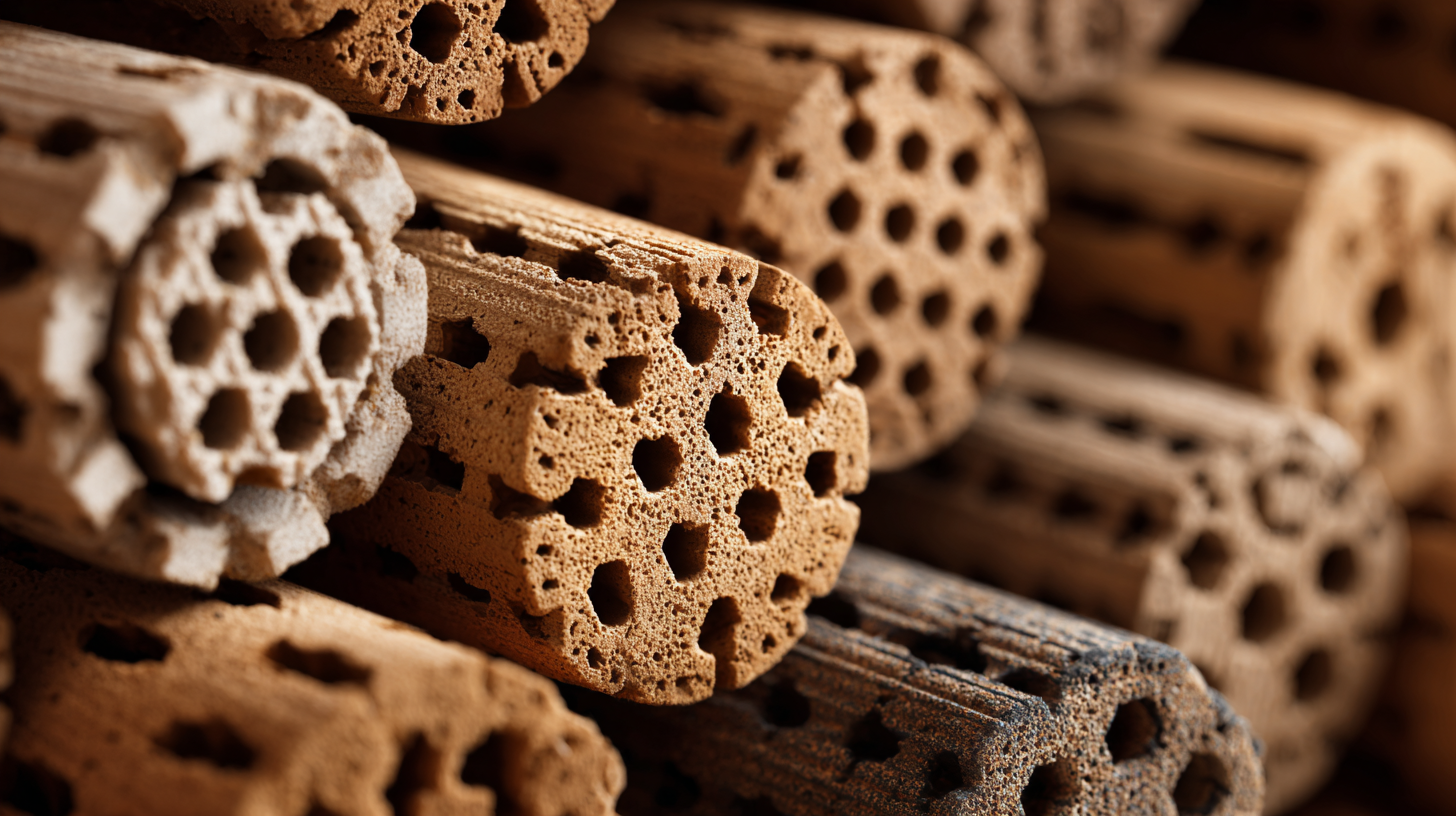
The Rising Demand for Ceramic Packing in Various Industries
So, there's been a pretty noticeable surge in demand for ceramic packing across various industries lately. People are really drawn to it because of its awesome properties and the fact that it’s a more sustainable, efficient option. I came across a report by MarketsandMarkets that predicts the global ceramic packing market will jump from around $1.5 billion in 2023 to over $2.5 billion by 2028. That’s roughly an 11.5% annual growth rate—pretty impressive! Most of this growth seems to come from its expanding use in sectors like oil and gas, chemical processing, and environmental protection.
What makes ceramic packing so appealing? Well, it’s got some standout features—like high thermal stability, resistance to chemicals, and long-lasting durability. For example, in the oil and gas industry, they’re using it more and more for gas separation and as catalysts during refining. This not only helps operations run more smoothly but also cuts down on environmental impact. Oh, and according to a study from the Ceramic Materials Laboratory, ceramic materials can boost heat exchange rates by up to 35% compared to older, traditional packing materials. That kind of efficiency stuff could really change the game for industry practices focused on sustainability and productivity.
Key Advantages of Ceramic Packing Over Traditional Materials
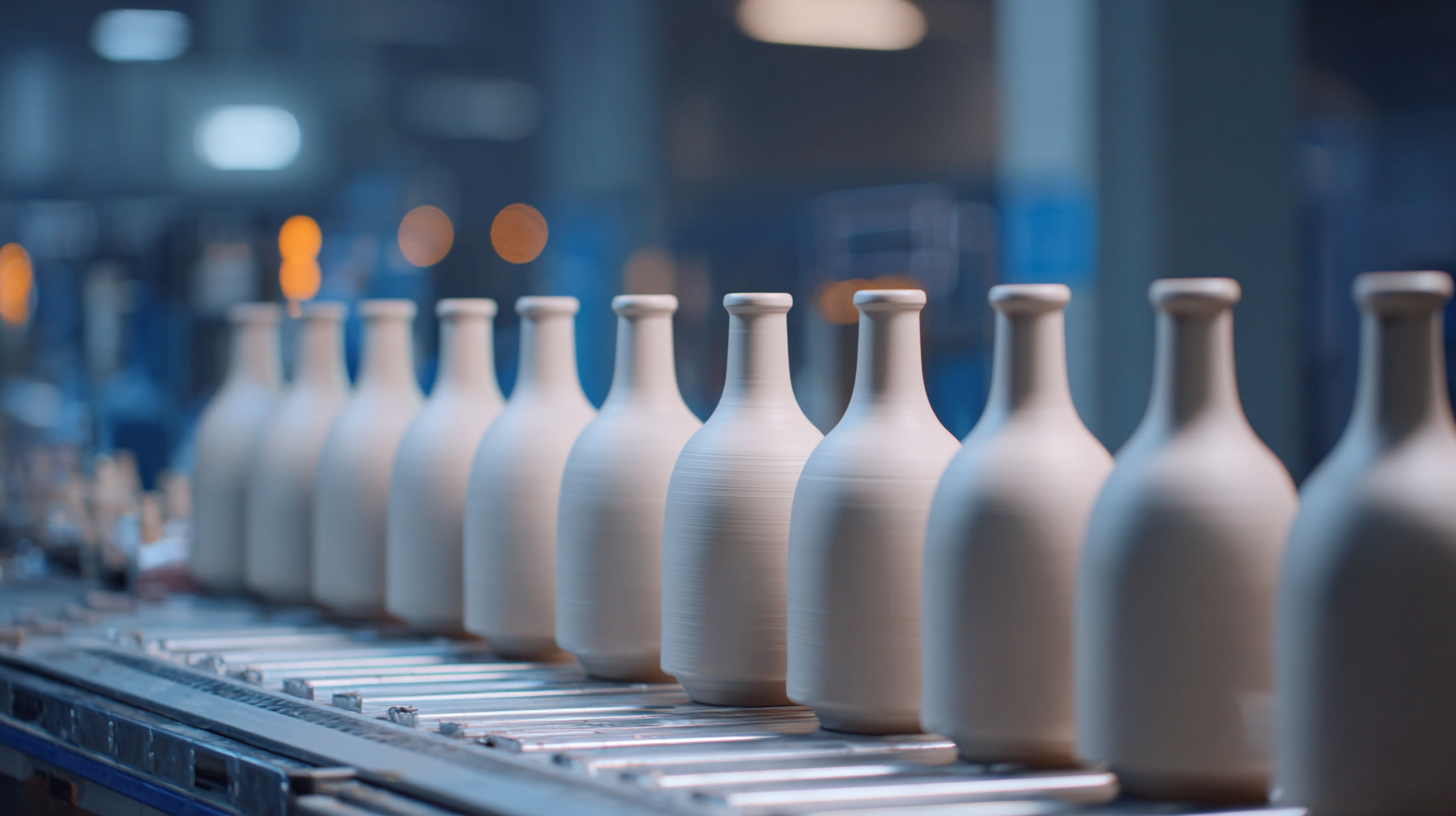
Ceramic packing materials are really changing the game in industrial processes, offering a bunch of advantages over your usual materials. One of the main perks? Their incredible ability to handle high temperatures without breaking a sweat. Recent developments in stuff like silicon nitride and silicon carbide have really shown just how effective they are as refractory options. This makes them perfect for situations where managing heat is super important. Because they’re so resilient, they not only last longer but also mean less frequent replacements, which can save a ton of money in the long run.
Plus, ceramic packing is pretty tough against chemical wear and tear. Unlike metals or plastics that can corrode or degrade when exposed to harsh chemicals, ceramics stay stable. That’s a huge advantage in industries like semiconductors or chemical processing, where keeping materials intact is a must. And, since a lot of manufacturing is moving toward greener practices, ceramics are a good fit too. They can often be produced in eco-friendly ways and help create more sustainable production systems. As industries keep looking for smarter, more efficient ways to work and be kinder to the environment, ceramic packing really catches the eye as a forward-thinking solution.
Enhancing Energy Efficiency Through Innovative Ceramic Solutions
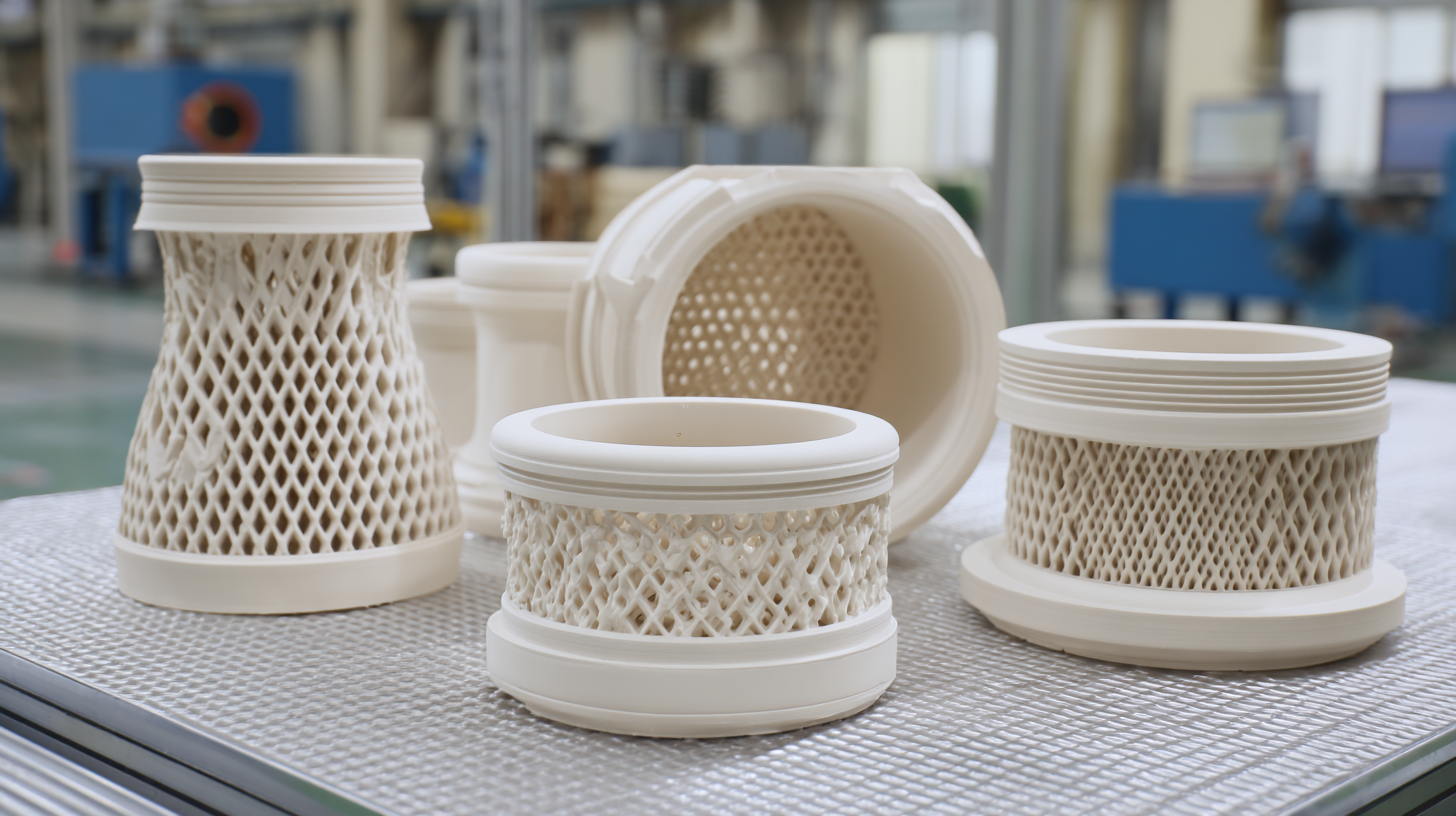
You know, these new ceramic solutions are really shaking things up when it comes to energy efficiency in different industries. The cool thing is, these materials have some pretty special traits—they can handle super high temperatures and corrosive conditions without breaking a sweat. That makes them perfect for situations where regular materials might fail. What’s more, they keep performing even under tough conditions, which means companies can count on things running smoothly. Plus, they help cut down on energy use, saving a ton of money in the long run.
Then there’s ceramic packing, which is a pretty versatile way to manage heat better in industrial setups. Using ceramics means you get better insulation and less heat slipping away, which helps everything run more efficiently. It’s pretty clear that shifting to these advanced ceramic tech is part of a bigger move toward sustainability and saving energy. This trend is setting the stage for a greener, more eco-friendly way of doing things in industry. As more companies jump on board with these solutions, we’re looking at bigger gains in productivity and lower energy costs—ceramic materials are really stepping into the spotlight when it comes to making industries more efficient.
Ceramic Packing's Role in Sustainable Manufacturing Practices
Ceramic packing is really starting to make waves as a key part of sustainable manufacturing these days. You know, especially in industries that care about being efficient and eco-friendly. Companies like Pingxiang Baitian (Ball-tec) New Materials are leading the charge, using super high-purity zirconia and alumina microcrystalline ceramics. These materials not only boost production but also help cut down on environmental impact. Apparently, studies show that ceramic materials can boost energy efficiency by up to 30%, which means we’re looking at less carbon emissions compared to old-school manufacturing methods (that’s from the 2023 Global Ceramic Market Report, by the way).
And honestly, ceramic packing is pretty tough. Its durability and ability to handle heat mean they last longer and don’t need replacing as often. That’s good news because it saves money and also means less waste—something that’s pretty big in today’s push for sustainability. Pingxiang Baitian is also working on cool stuff like solid fuel cells and new bio-dental materials, showing how ceramic tech can be a game-changer for greener manufacturing and innovation. Plus, with industries feeling more pressure to go green, ceramic packing really is playing a crucial role in making operations more efficient and eco-friendly at the same time. Honestly, it’s shaping up to be a pretty vital part of the future of industry.
Real-World Applications: Success Stories of Ceramic Packing Implementation
Ceramic packing is really changing the game in industrial processes lately. You can see it all over different sectors — lots of success stories, really. For example, a recent article in the International Journal of Chemical Engineering mentioned that plants using ceramic packing systems have boosted their efficiency by up to 30% compared to the old-school materials. In the petrochemical world, companies like Company X have seen a pretty big drop in downtime thanks to how durable and heat-resistant ceramic packing is. That’s actually translating into millions saved each year — no joke.
And it’s not just petrochemicals. The food processing industry, for instance, has also benefited a lot. A study by the Food Engineering Institute found that when ceramic packing was used in filtration systems, the product quality scores went up by about 25%. That means fewer contaminants, happier customers, and products that meet all the regulatory standards without breaking a sweat. Plus, using ceramic packing supports more sustainable practices, which is a big deal for today's eco-conscious consumers.
If you’re thinking about giving ceramic packing a try for your facility, my advice is to really assess what your specific needs are. Check out case studies that are similar to your industry to get a better idea of what kind of efficiency boost you might expect. And, of course, work with suppliers who offer personalized solutions and ongoing support — that way, you’ll really maximize the benefits and make sure it all works smoothly.
Future Trends: Advancements in Ceramic Technology and Industrial Efficiency
Looking ahead, it's clear that advances in ceramic tech are really shaping how efficient industries can get. As companies are on the hunt to boost productivity and cut costs, ceramic packing is emerging as a pretty promising option. I came across a report saying that the global market for AI robotics is expected to hit around $5.23 billion by 2024, then skyrocket to about $61.9 billion by 2025, and could reach roughly $32.26 billion by 2032. That’s a pretty strong sign that integrating cutting-edge tech—including high-performance materials like ceramics—is becoming a real priority for industry folks.
And here's the thing—more and more businesses are looking to upgrade their production lines. You’ll see demand for ceramic solutions climbing too. Like, the hydraulic pump market is projected to grow at roughly 4.8% annually, jumping from about $1.08 billion in 2025 to over $1.46 billion by 2033. What’s driving this? Well, the tough, durable qualities of ceramics really make a difference, especially in harsh environments where other materials might fail.
Companies like Pingxiang Baitian (New Materials Co., Ltd.) are right there at the forefront, pushing forward with zirconia and alumina micro-crystalline ceramics—key materials for pushing industrial tech to the next level.
Innovative Applications and Benefits of 99.9% Al2O3 Grinding Bead Ceramic Grinding Media in Modern Industries
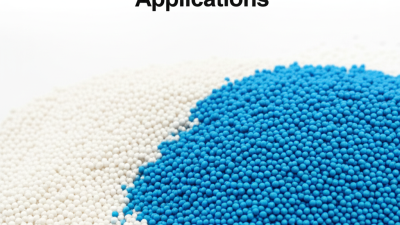
The innovative applications of 99.9% Al₂O₃ grinding bead ceramic grinding media have significantly transformed modern industries by offering unparalleled precision and efficiency. The primary component of these grinding beads, alumina (Al₂O₃), boasts a purity of more than 99.9%, making it an ideal choice for applications requiring stringent quality standards. With trace impurities often measuring in parts per million, this high level of purity ensures the integrity of the materials processed. For industries such as electronics, pharmaceuticals, and advanced materials manufacturing, where even minute contamination can lead to failures, these grinding beads are essential.
Moreover, certain variants of these grinding beads can achieve an astonishing purity level of up to 99.99%, further minimizing the presence of unwanted elements like sodium, potassium, and silicon. This exceptional purity, combined with the extremely low content of radioactive isotopes such as uranium and thorium, positions 99.9% Al₂O₃ grinding beads as the preferred choice in environments that necessitate high cleanliness, such as laboratories and clean rooms. Their innovative application not only enhances product quality but also supports the growing demand for materials that meet the highest standards of safety and reliability in modern manufacturing processes.
FAQS
: Ceramic packing materials offer exceptional thermal resistance, impressive chemical stability, and reduced maintenance costs due to their longer lifespan, making them ideal for high-temperature and chemical-intensive applications.
Ceramic packing enhances energy efficiency by up to 30% and reduces waste generation, aligning with eco-friendly manufacturing processes and supporting long-term sustainability initiatives.
Industries such as semiconductor manufacturing, chemical processing, and advanced bio-materials are notably benefitted due to ceramics' corrosion resistance and durability.
Innovations in high-purity zirconia and alumina micro-crystalline ceramics have improved production capabilities while minimizing ecological impact, showcasing the effectiveness of modern ceramic technologies.
The demand for ceramic materials is expected to grow, especially in conjunction with advancements in AI robotics and hydraulic pumps, indicating a strong inclination towards ceramic technology for industrial efficiency.
Due to their thermal stability and chemical resistance, ceramic packing materials have a longer service life compared to traditional materials, leading to reduced frequency of replacements and lower operational costs.
Chemical stability is crucial as it ensures that ceramic materials do not corrode or degrade when exposed to harsh chemicals, maintaining the integrity of production processes.
Pingxiang Baitian is a leader in developing high-quality ceramic materials that enhance industrial processes and support sustainable manufacturing practices through innovative applications.
Conclusion
You know, ceramic packing is really making a name for itself as a game-changer in boosting industrial efficiency across a bunch of different sectors. As more folks look for innovative materials, ceramic packing stands out because it’s tough, stable when it comes to heat, and resistant to chemicals. These qualities help industries save energy and move towards more eco-friendly manufacturing practices — which not only cuts down costs but also helps them stay in line with environmental standards.
On top of that, we’ve seen real-world examples where ceramic packing actually makes a difference in streamlining production. Companies like Pingxiang Baitian (Ball-tec) New Materials are leading the charge here, focusing on high-purity zirconia and alumina microcrystalline ceramics that serve all sorts of purposes—from grinding media to cutting-edge manufacturing applications. As technology keeps advancing, it’s pretty clear that ceramic packing’s importance will only grow, pointing toward a future where industry performance is higher and sustainability is baked in.