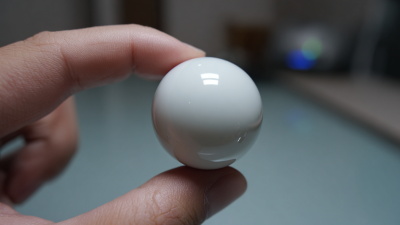
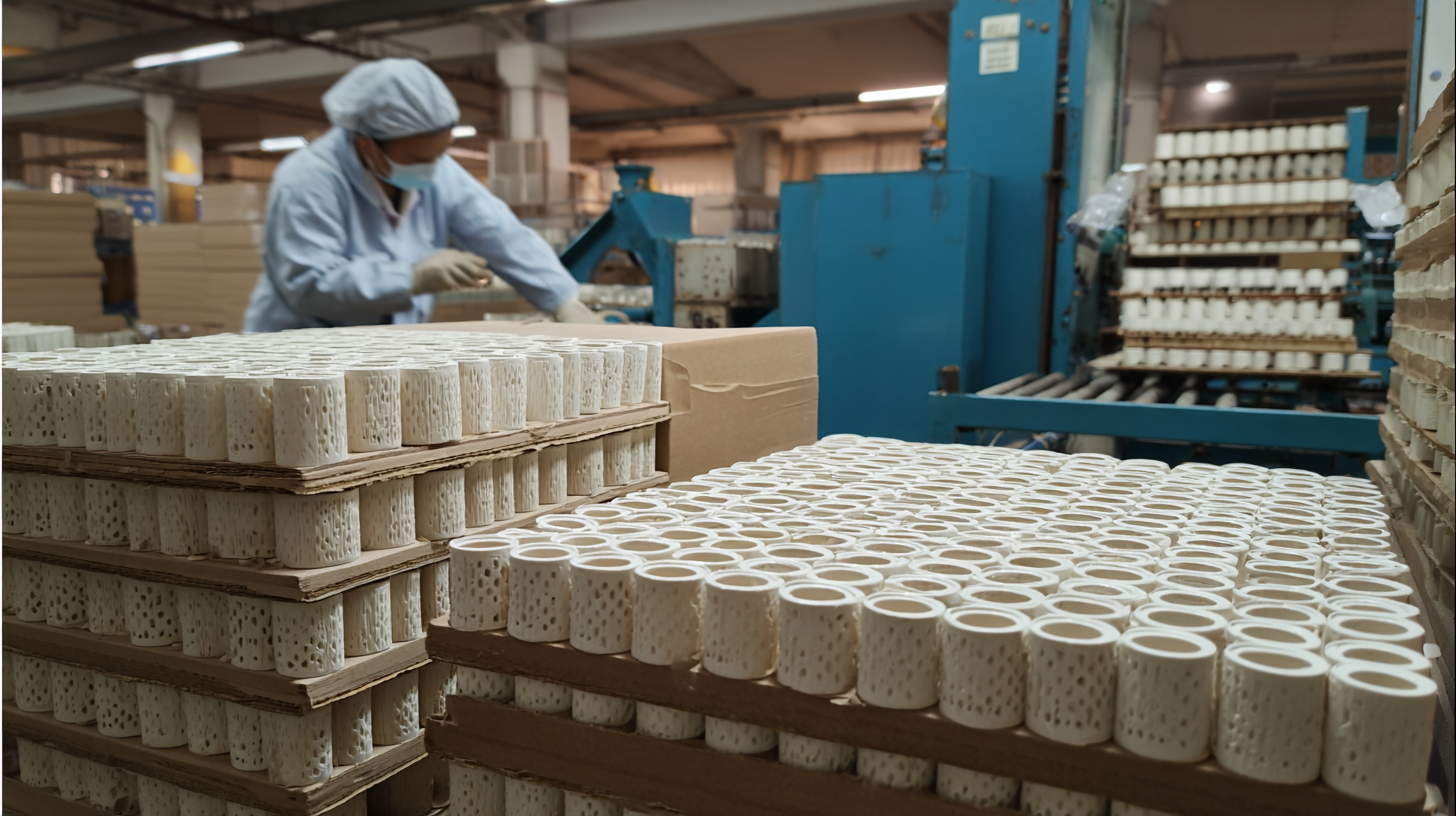
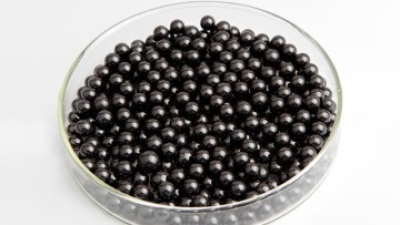
These days, everyone’s really aiming for more efficiency and sustainability in their industries, right? That’s why ceramic packing is suddenly getting a lot of attention as a pretty essential component across different fields. Honestly, it’s because ceramic packing has some pretty awesome traits—think stellar thermal stability and excellent chemical resistance. That makes it a perfect fit for sectors like petrochemicals, environmental engineering, and pharma.
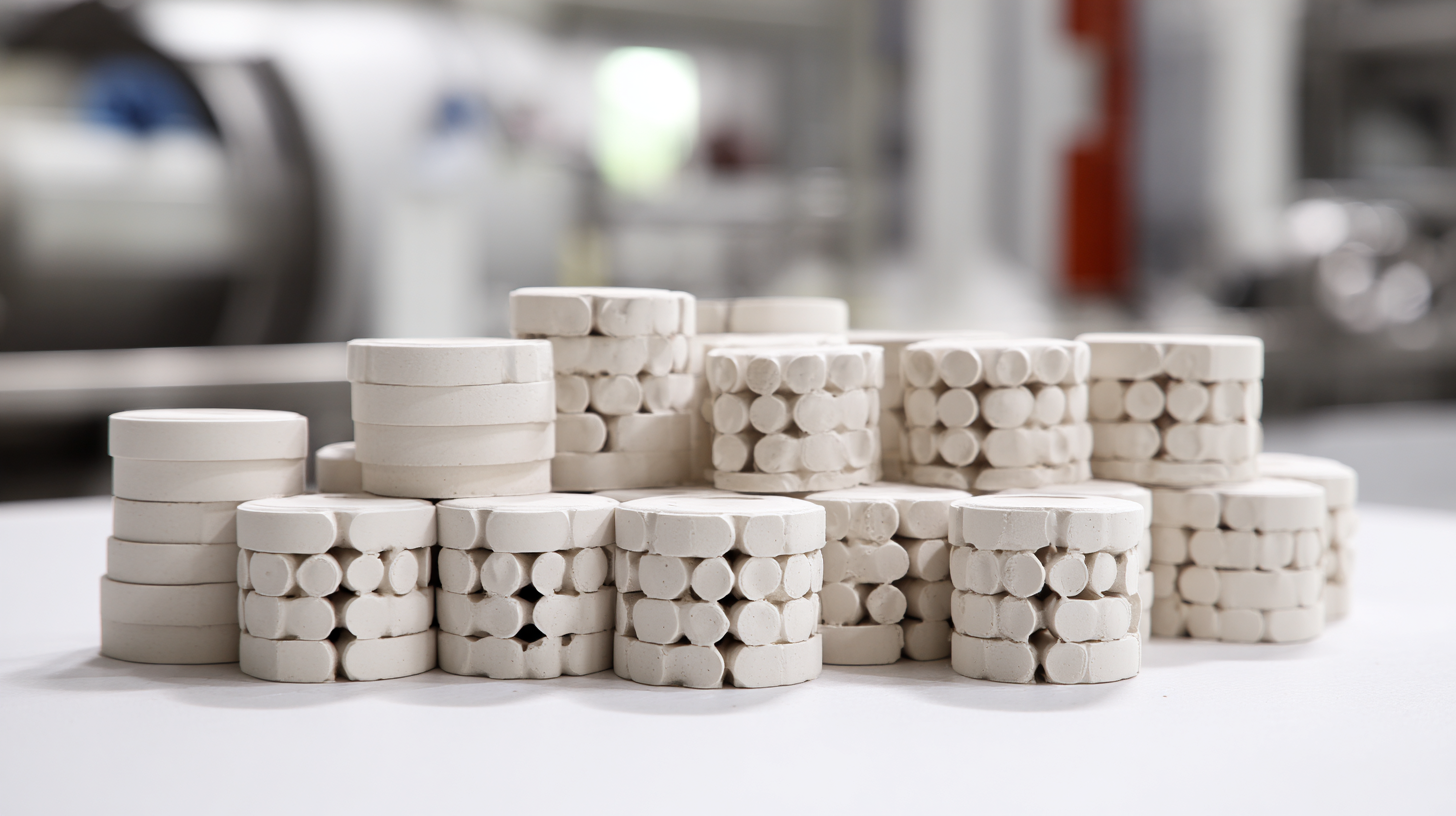
I read somewhere that the global market for ceramic packing is expected to grow a ton, mainly because of new tech and the rise of innovative materials. Companies like Pingxiang Baitian (Ball-tec) New Materials are really pushing boundaries here—they focus on developing zirconia and alumina micro-crystalline ceramic products, including packing solutions that boost efficiency and performance. As industries keep looking for ways to optimize their processes, I think the importance of ceramic packing is only going to grow. It’s definitely shaping up to be a key player in hitting those operational and sustainability goals we all care about.
Understanding Ceramic Packing: Composition and Properties
Ceramic packing stuff is mainly made from inorganic materials like alumina and silica, along with some crystalline structures. These ingredients give ceramic packing its pretty unique physical and chemical traits. For instance, they can handle really high temperatures, resist corrosion, and don’t conduct heat well—making them perfect for all sorts of industrial uses. Because they can survive extreme heat and harsh chemicals, they tend to last a long time and stay reliable in setups like gas separation units, chemical reactors, or heat exchangers.
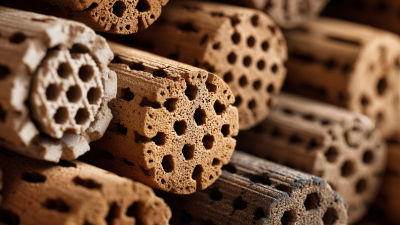
But, it’s not just about being tough. These ceramic materials are pretty strong mechanically and don’t shrink much, which is super important for keeping things stable when there’s stress involved. Plus, their porous structure means a high surface area—great for things like adsorption and catalysis. As industries grapple more with boosting efficiency and being eco-friendly, ceramic packing's role in stuff like wastewater cleaning and air purifying is becoming more and more valuable, helping meet today’s tough industrial demands.
Key Benefits of Ceramic Packing in Industrial Applications
Ceramic packing is really becoming a big deal in today's industries, and for good reason. Its unique properties and wide range of uses make it pretty much indispensable. One of the biggest perks? Durability and resistance to corrosion. That means it’s perfect for tough environments where things tend to break down easily. I recently read a report that estimates the demand for high-performance ceramic materials—especially in chemical processing and wastewater treatment—is expected to jump over over 20% in the next few years. It’s all about finding sustainable solutions that can handle really harsh conditions but still keep things running smoothly.
On another note, have you noticed the rise of digitally printed ceramic tiles? It's pretty interesting—these tiles aren’t just about looking good anymore. They’ve become more functional too, which explains why you see them more often in homes and commercial spaces. As industries keep pushing toward more innovative manufacturing methods, ceramics made by companies like Pingxiang Baitian New Materials—who focus on high purity zirconia and alumina—are playing a bigger role. For companies thinking about jumping into ceramic packing, my tip would be to really understand the specific environment where they'll be used and to weigh the long-term cost savings—like less maintenance and fewer replacements—against the initial investment.
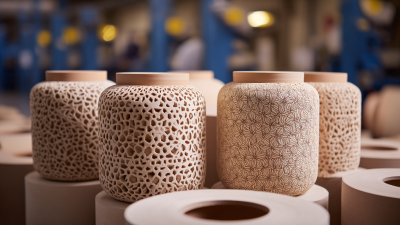
And let’s not forget the exciting stuff happening with additive manufacturing, or 3D printing, with ceramics. This opens up tons of possibilities for customizing parts and creating complex shapes that used to be impossible. As industries aim for more efficiency and sustainability, embracing these new ceramic tech advancements is pretty much a must if they want to stay competitive and meet market demands.
Exploring the Role of Ceramic Packing in Chemical Reactors
You know, ceramic packing has really become a pretty essential part of modern chemical reactors these days, mainly because of its incredible stability—thermal and chemical-wise. And with all the buzz around ultra-high-temperature ceramics (UHTCs), it's clear they could really shake things up in fields like fusion energy, where conditions are super extreme. These UHTCs can withstand insanely high temperatures, making them perfect for tough environments where regular materials just wouldn’t cut it. For example, using them in fusion reactors might actually help boost their lifespan and efficiency—pretty exciting stuff that could totally change how we produce energy.
But it’s not just about fusion. Researchers are also looking into ceramic materials for things like membrane reactors that convert CO2 or produce hydrogen. Lately, there’s been some cool progress in developing ceramic supports that make catalytic reactions happen at lower temperatures and with less catalyst needed. Not only does that make the process more efficient, but it also helps cut down on environmental impacts by promoting cleaner production methods. Industry reports are pointing out that the global market for ceramic membranes is expected to grow quite a lot, thanks to advances in this tech that support more sustainable chemical processes. All in all, it’s pretty clear that ceramic packing is playing a key role in pushing modern industry forward.
Applications of Ceramic Packing in Environmental Technologies
You know, ceramic packing has really become a crucial part of a lot of modern industries these days, especially in environmental tech. It’s pretty amazing stuff that’s used in air and water purification systems because of its huge surface area and chemical stability, which help boost adsorption.
Basically, it’s great at trapping pollutants and toxins, making it a solid choice when you're looking to manage waste sustainably or clean up contaminated sites.
Plus, it’s super durable and resistant to corrosion, so it keeps systems running longer and saves companies money in the long run. Definitely a smart investment if you're serious about reducing your environmental footprint.
When you're thinking about using ceramic packing for your projects, it’s a good idea to pay attention to things like temperature and what chemicals it might be exposed to. Picking the right type of ceramic can really make a difference in how well it performs and how long it lasts.
Oh, and by the way, you’ll also find ceramic packing in more advanced wastewater treatments. It helps break down harmful substances, thanks to the way it supports helpful microorganisms. Because it’s inert, it doesn’t interfere with these biological processes, which is pretty cool.
As industries come under more pressure to meet strict environmental rules, adopting ceramic packing solutions can really give you an edge—driving innovation and helping keep our planet cleaner.
A quick tip: Regular maintenance and keeping an eye on your systems is key when you’re using ceramic packing. Doing routine checks early on can catch problems before they get big, so everything keeps running smoothly and efficiently.
Innovations in Ceramic Packing for Enhanced Performance
You know, when it comes to ceramic packing tech, things have really moved forward, and it’s making a big difference in a bunch of industries today. The newest stuff is all about high-strength, lightweight ceramics — they’re tougher and more heat-stable than the old-school options, which is pretty impressive. Thanks to these innovations, processes like chemical reactions, filtering the environment, or transferring heat are running much smoother and more efficiently. Oh, and the addition of nanotechnology? That’s a game-changer, too. It’s given the surfaces better properties, so they interact more effectively with fluids and gases, which means higher productivity and fewer hiccups or downtimes in industrial setups.
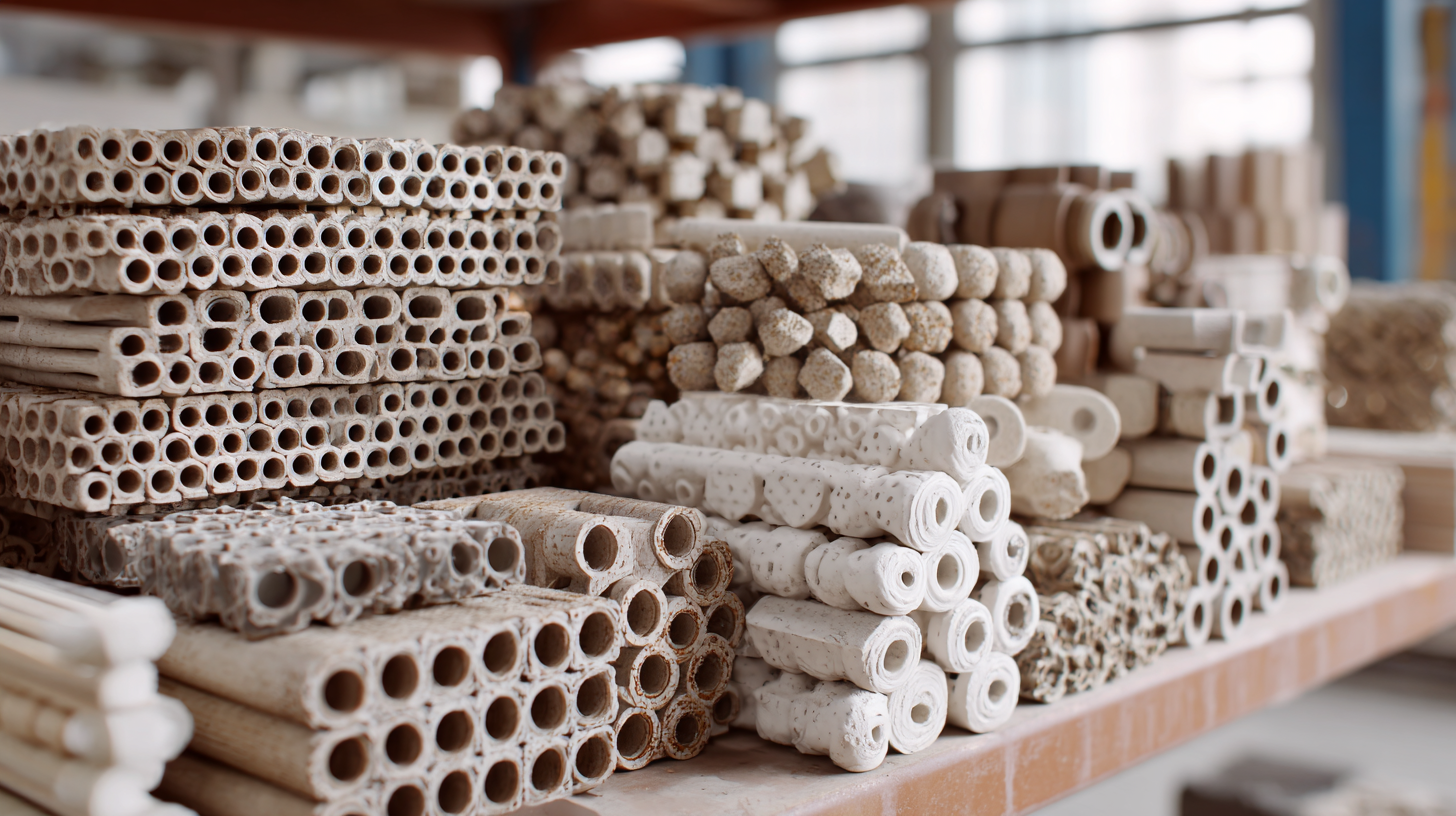
You also see these advanced ceramic packings making waves in oil and gas sectors. They're super resistant to corrosion and can handle crazy high temperatures, so they last longer even in extreme conditions. That’s a huge plus because it cuts down on maintenance and makes everything safer—less risk of system failures, you know? And since a lot of industries are now focusing on being greener, ceramic packings are pretty attractive because they’re recyclable and environmentally friendly. All in all, these high-tech ceramics look like they’re shaping the future of industrial processes, pushing things towards being more efficient and reliable than ever before.
Cost-Effectiveness and Sustainability of Ceramic Packing Solutions
You know, ceramic packing has really become a go-to solution in many modern industries because it’s both budget-friendly and eco-conscious. It can handle really high temperatures and resist corrosion, which makes it perfect for things like chemical processing, wastewater treatment, and petrochemical work. Unlike those traditional packing materials, ceramics last way longer, so companies don’t have to keep replacing them all the time—that’s a big money saver! That kind of durability definitely helps keep operational costs down, making ceramic packing a clever choice for manufacturers looking to boost their profits.
And honestly, the sustainability angle is a huge part of why more folks are jumping on board. As industries are pushing for greener practices, ceramic materials—usually made from plentiful natural resources—are a responsible pick. They tend to use less energy throughout their lifespan compared to synthetic options, and they can be recycled pretty easily too. When companies choose ceramic packing, they’re not just improving efficiency; they’re also supporting broader environmental goals. It’s a win-win that lines up with today’s eco-friendly standards and what consumers are really looking for.
Exploring the Benefits and Applications of Ceramic Packing in Modern Industries - Cost-Effectiveness and Sustainability of Ceramic Packing Solutions
| Application Area |
Type of Ceramic Packing |
Cost-Effectiveness (USD/Unit) |
Sustainability Rating |
Lifespan (Years) |
| Chemical Processing |
Alumina Balls |
45 |
A |
10 |
| Gas Separation |
Zirconia Packing |
60 |
B |
12 |
| Pharmaceuticals |
Porous Ceramic Rings |
55 |
A+ |
8 |
| Petrochemicals |
Silica Packings |
50 |
B+ |
9 |
| Environmental Applications |
Ceramic Filter Media |
70 |
A+ |
15 |
Unleashing Performance: The Advantages of Silicon Nitride Ceramic Bearing Balls in Modern Engineering Applications
Silicon nitride ceramic bearing balls stand at the forefront of modern engineering applications, providing unparalleled performance advantages that are reshaping the industry. These advanced components are renowned for their remarkable service life and significantly reduced friction resistance. The inherent properties of silicon nitride allow for higher seizure resistance, which is crucial in demanding environments where traditional bearings may fail. This means that engineers can rely on these ceramic bearings, even under extreme loads, ensuring smoother operation and reduced downtime.
In addition to their mechanical strengths, BNS ceramic ball bearings excel in resisting corrosion and high temperatures, making them ideal for a variety of challenging applications. With a resistance threshold reaching up to 800°C, these bearings perform exceptionally well in extreme conditions where standard bearings might degrade. Their lightweight nature—approximately 40% lighter than steel—further enhances their versatility, ensuring that innovation in design does not compromise performance. These features, combined with their non-magnetic and insulated characteristics, allow silicon nitride bearings to function seamlessly in environments like ultra-high vacuum systems, thus broadening their scope of application in modern engineering.
FAQS
: Ceramic packing is primarily composed of inorganic materials, notably alumina, silica, and other crystalline structures.
Ceramic packing is characterized by high thermal stability, resistance to chemical attack, low thermal conductivity, excellent mechanical strength, and low shrinkage rates.
The porous nature of ceramic packing provides a high surface area, which enhances processes such as adsorption and catalysis, making it beneficial for applications in gas separation, chemical reactors, and heat exchangers.
Ceramic packing offers exceptional thermal and chemical stability, making it crucial in chemical reactors, especially in applications that require extreme conditions, like fusion reactors and membrane reactors for CO2 conversion.
Ceramic packing is used in air and water purification systems due to its high surface area and stability, helping capture pollutants and toxins effectively, which supports sustainable waste management efforts.
It is essential to pay attention to specific application requirements such as temperature and chemical exposure to select the appropriate type of ceramic material for optimal performance.
Ceramic packing promotes the breakdown of harmful substances through biological processes by supporting the growth of beneficial microorganisms, crucial for biodegradation.
Regular maintenance and monitoring are essential to identify potential issues early and ensure consistent operational efficiency in treatment systems utilizing ceramic packing.
The global ceramic membranes market is projected to grow significantly, driven by advancements in membrane technology that support sustainable practices in the chemical engineering field.
The adoption of ceramic packing solutions becomes a strategic asset for industries as they face pressure to comply with environmental regulations, driving innovation while fostering cleaner production methods.
Conclusion
Ceramic packing might not be something you hear about every day, but honestly, it’s pretty essential in today’s industries. Made from high-purity zirconia and alumina, these materials are tough as nails and can handle extreme conditions without breaking a sweat. What’s really cool is how ceramic packing helps make chemical reactors run smoother and more efficiently. Plus, it plays a big role in environmental tech—think wastewater treatment and air pollution control—making a real difference for the planet.
And the best part? Thanks to ongoing innovations, ceramic packing keeps getting better and more tailored to fit all kinds of industrial needs. Companies like Pingxiang Baitian (Ball-tec) New Materials Co., Ltd. are leading the charge here, delivering top-notch ceramic solutions that don’t just cut down costs but also help industries go greener. As more industries jump on board with these materials, I truly believe ceramic packing will continue to boost productivity while also supporting a healthier environment. It’s pretty exciting to see where this tech is headed!