Pingxiang Baitian New Materials Co., Ltd
Leave Your Message
You know, these days, there’s a growing buzz around high-quality Aluminum Polishing Powder, especially with industries like automotive, aerospace, and manufacturing leading the charge. A recent market research report even predicts that the global aluminum polishing powder market could grow at an impressive rate of 6.5% between 2023 and 2030. That’s a pretty big deal, reflecting a wave of applications that need both enhanced looks and improved functionality. So, as manufacturers gear up to up their game, figuring out global sourcing strategies is really important. They need to find reliable suppliers who can keep up with the high standards for quality and performance.
In this space, Pingxiang Baitian (Ball-tec) New Materials Co., Ltd. is really making a name for itself as a cutting-edge company that's all about R&D, production, and sales of advanced materials. While their main focus is on zirconia and alumina micro crystalline ceramic grinding media, they’re also pushing innovation in high purity materials, which gives them a solid place in the aluminum polishing powder scene. By using the latest technology and sticking to international quality standards, companies like Baitian are set to provide top-notch Aluminum Polishing Powder, helping meet the evolving needs of various industries all around the globe.
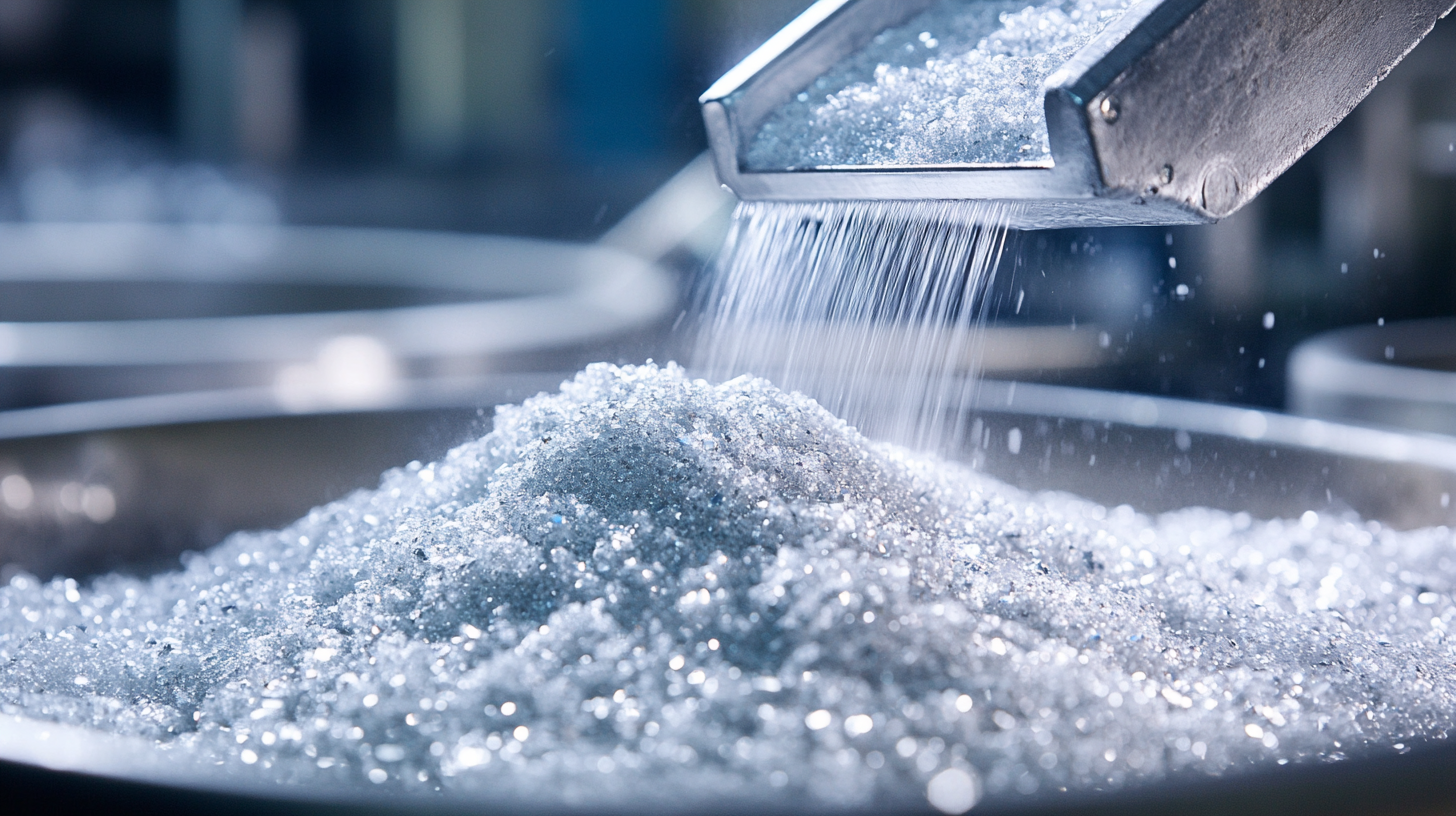
When it comes to aluminum polishing powder, quality is a big deal for manufacturers who really want to stand out in the market. Using high-quality aluminum polishing powder can do wonders—not only does it improve the look of the final product, but it also helps streamline the polishing process. It's super important for manufacturers to understand the different grades of aluminum polishing powder and how they can be used to meet a variety of customer needs. Seriously, sourcing top-notch materials is key; it’s all about how durable and visually appealing the polished surfaces turn out.
Plus, the manufacturing landscape is changing pretty fast, with new tech and processes shaking up sourcing strategies. Take a page from the cosmetic industry, for example—the rise of gel nail polish with its advanced chemical formulas shows we’re moving towards more refined applications. Aluminum polishing powder manufacturers have a golden opportunity to dive into research and development. By doing this, they can stay in tune with industry trends that highlight quality, usability, and overall customer satisfaction, making sure they don't miss out on what the market wants.
By putting in place strong quality control and jumping on the latest technologies, manufacturers can not only improve their production but also raise the bar for their aluminum polishing powder. This commitment to quality will definitely connect with customers, who are becoming more aware of just how valuable top-tier products are in achieving the best results, whether in manufacturing processes or decorative finishes.
When it comes to figuring out global sourcing strategies for aluminum polishing powder, picking the right suppliers is super important. You know, a successful partnership with suppliers across the globe really boils down to a few key points. First off, you’ve got to prioritize reliable quality control. Manufacturers really need to make sure their suppliers keep up with strict quality standards if they want to hit the mark in the market. This means not just checking the quality regularly but also keeping the lines of communication open so any hiccups can be sorted out quickly.
Another biggie is where the supplier is located. Their geographical spot can really affect shipping costs and how fast you can expect your materials to arrive, which ultimately plays a huge role in how efficient the whole supply chain is. If you’re looking to up your operations game, it’s crucial to look into the logistics capabilities of your potential suppliers. Countries that have solid transportation networks can give you a leg up on lead times and costs, which is definitely key for a more agile supply chain.
And let’s not forget about the tech side of things! It’s really worth checking out what kind of technology and innovation mindset the supplier has. Suppliers that are all in on advanced technologies are probably going to provide products that perform better and are produced more efficiently. This not only helps to ensure you get high-quality products but also keeps you competitive in this fast-changing marketplace. So, taking a hard look at a supplier’s commitment to innovation is an essential step you shouldn’t skip when making your selections.
So, if you're looking to source aluminum polishing powder, it's super important to know where the best production spots are. Manufacturers are always trying to up their game with product quality and keep costs in check, right? Luckily, there are some key areas around the world that are really standing out in this market – it’s like a little treasure map for sourcing strategies!
First off, let’s talk about Southeast Asia. Countries like China and Vietnam are pretty big players in the aluminum polishing powder scene. China's got this amazing manufacturing setup and offers tons of high-quality polishing powders without breaking the bank. Then there’s Vietnam, stepping up with a growing manufacturing scene that benefits from lower labor costs and some pretty nifty production techniques. It’s becoming a go-to for businesses that want a dependable source of polishing powder without too much fuss.
Now, we can't forget about Europe. Germany and Italy are definitely noteworthy. These countries take quality and sustainability seriously! German manufacturers are often leading the charge with innovative production technologies, ensuring you get top-notch reliability. And Italy? Well, their artisanal production style really shines through, producing some premium stuff that's perfect for those high-end uses. Sure, European prices might be a bit on the higher side, but you often get that peace of mind knowing you're dealing with great quality assurance and compliance.
And of course, let's not overlook North America, especially the U.S. and Canada. There's a big push for eco-friendly practices and keeping it local. These countries have a bunch of polishing powder options that tick both the quality and sustainability boxes. With all the growing pressure on manufacturers to be kinder to the planet, going with North American producers can be a smart move – both practically and ethically.
| Region | Country | Manufacturer Names | Average Quality Rating | Annual Production Capacity (tons) |
|---|---|---|---|---|
| North America | USA | Alumina Polishing Co., ShineTech. | 4.7 | 5000 |
| Europe | Germany | Polish4You, PowerPolish GmbH | 4.6 | 3000 |
| Asia | China | Shiny Products, Apex Materials | 4.5 | 10000 |
| Oceania | Australia | Aussie Polishing Supply, BrightAlum | 4.8 | 2500 |
| South America | Brazil | EcoPolish, Brazilian Alumina | 4.3 | 1500 |
When you're checking out manufacturers of aluminum polishing powder, it's super important to look into their capabilities and certifications to make sure you're getting quality and reliability. A solid production capacity is key, and you can usually get a sense of that by checking out their facilities and the tech they use. Manufacturers that have advanced processes—like automated blending and precision milling—tend to produce a more consistent and pure product. And don’t forget to take a closer look at their workflow, especially how they handle quality control to catch any defects early on in the process.
Certifications are a big deal too! They really help to show that a manufacturer is serious about maintaining high quality standards. For example, if you see that they have an ISO 9001 certification, it’s a good sign that they’ve got a solid quality management system in place, which boosts your trust in what they produce. Furthermore, specific industry certifications related to things like environmental management or material safety can really assure you that their products meet those all-important regulatory and sustainability standards. Manufacturers who focus on getting these certifications not only build their credibility but also highlight their commitment to responsible sourcing and production practices.
So, in the end, taking a deep dive into a potential aluminum polishing powder manufacturer’s capabilities and certifications is super important—it can really make a difference in the quality of what you end up with. By taking the time to understand these elements, sourcing pros can make better-informed decisions that lead to awesome partnerships and top-notch performance in their applications.
So, when it comes to getting aluminum polishing powder, manufacturers often find themselves in a bit of a pickle. They really need to figure out how to balance cost with quality without losing their minds over it. I came across this report from MarketsandMarkets, which predicts that the global market for polishing powder is going to hit around USD 8.10 billion by 2025. That’s a hefty number, right? Most of this growth is driven by sectors like automotive, aerospace, and electronics. So yeah, manufacturers really have to be smart about where they source their materials.
One solid approach is to dive into a good old cost-benefit analysis. Sure, it might be tempting to go for the cheaper suppliers, but you really need to take a hard look at the quality and reliability of their products. A study from Grand View Research even showed that about 60% of companies said that issues with quality from those budget-friendly suppliers messed with their production schedules—yikes! Investing a bit more in high-quality aluminum polishing powder can actually save money down the line by slashing waste and boosting performance.
And here’s another thing: using tech to assess suppliers can really amp up how effective your sourcing is. I mean, leveraging platforms that give you real-time insights about how suppliers are performing can make all the difference. According to a survey by Deloitte, a whopping 79% of supply chain leaders think that going digital will majorly influence their sourcing strategies. By tapping into tools like this, manufacturers can check out potential suppliers not just on price, but also on quality, service, and innovation. This way, their sourcing decisions can really sync up with their long-term business goals. Pretty smart, right?
You know, in today’s fast-paced world of sourcing globally, using technology has really become a game-changer for manufacturers, especially in niche fields like aluminum polishing powder. By bringing in cutting-edge tools like artificial intelligence (AI) and data analytics, manufacturers can really step up their sourcing strategies. It helps them streamline operations and boost efficiency, which is pretty essential these days. Plus, the adaptability that technology brings to procurement helps them choose the right suppliers and assess risks better—really allows companies to make smart decisions that add value to their business.
And let’s be honest, with all the geopolitical twists and turns out there, being able to tap into real-time data for sourcing is more important than ever. I mean, technology is like this driving force that helps manufacturers fine-tune their supply chains, cut down on costs, and elevate the quality of their products. The insights we get from data can really sharpen negotiation tactics and strengthen bonds with suppliers. In the end, that all adds up to better manufacturing results.
But amidst all this tech magic, manufacturers need to find that sweet spot between using technology and keeping human oversight in the mix. Sure, AI can supercharge efficiency, yet the human touch is crucial for reading those tricky market trends and managing complicated supplier relationships. By blending a tech-savvy approach with the human side of things, manufacturers can not only nail operational excellence but also keep their global sourcing strategies lively and ready to adapt when things change.
This pie chart illustrates the distribution of sourcing strategies employed by aluminum polishing powder manufacturers around the globe.
You know, building solid relationships with your aluminum powder suppliers is super important these days, especially with the way the demand for aluminum polishing powders is ramping up globally. A report from Grand View Research mentioned that the aluminum powder market was valued at around 9.39 billion bucks in 2021, and it’s projected to grow at a rate of about 5.2% each year through 2030. In a scene like this, having strong partnerships with your suppliers can seriously lead to better product quality, nicer pricing, and a more reliable supply chain, which is what we all want, right?
Now, let’s talk about communication—it’s really the key to making those supplier relationships thrive. Keeping up with regular meetings and being open can create transparency and collaboration. It helps everyone get on the same page with goals and expectations. Studies in the industry show that companies that foster these strategic partnerships often see a 20-30% dip in procurement costs! That’s a pretty sweet deal, isn’t it? A lot of that savings comes from collaborative forecasting, which makes it easier for both manufacturers and suppliers to plan ahead and cut down lead times. For example, if you can negotiate longer-term contracts, it really helps both sides ride out any market ups and downs or supply hiccups.
Plus, when you take the time to get a grip on your suppliers’ capabilities and the challenges they face, it can spark some amazing innovation and product development. A survey from McKinsey even found that companies that actively collaborate with their suppliers on innovation tend to speed up their product development cycles by 30%. Pretty impressive, right? By being proactive and engaged in these relationships, manufacturers of aluminum polishing powder can stay ahead of the curve with market trends and tech advancements. In the end, investing in these connections isn’t just about securing a dependable supply; it’s also about gaining that strategic edge in a market that's getting trickier by the day.
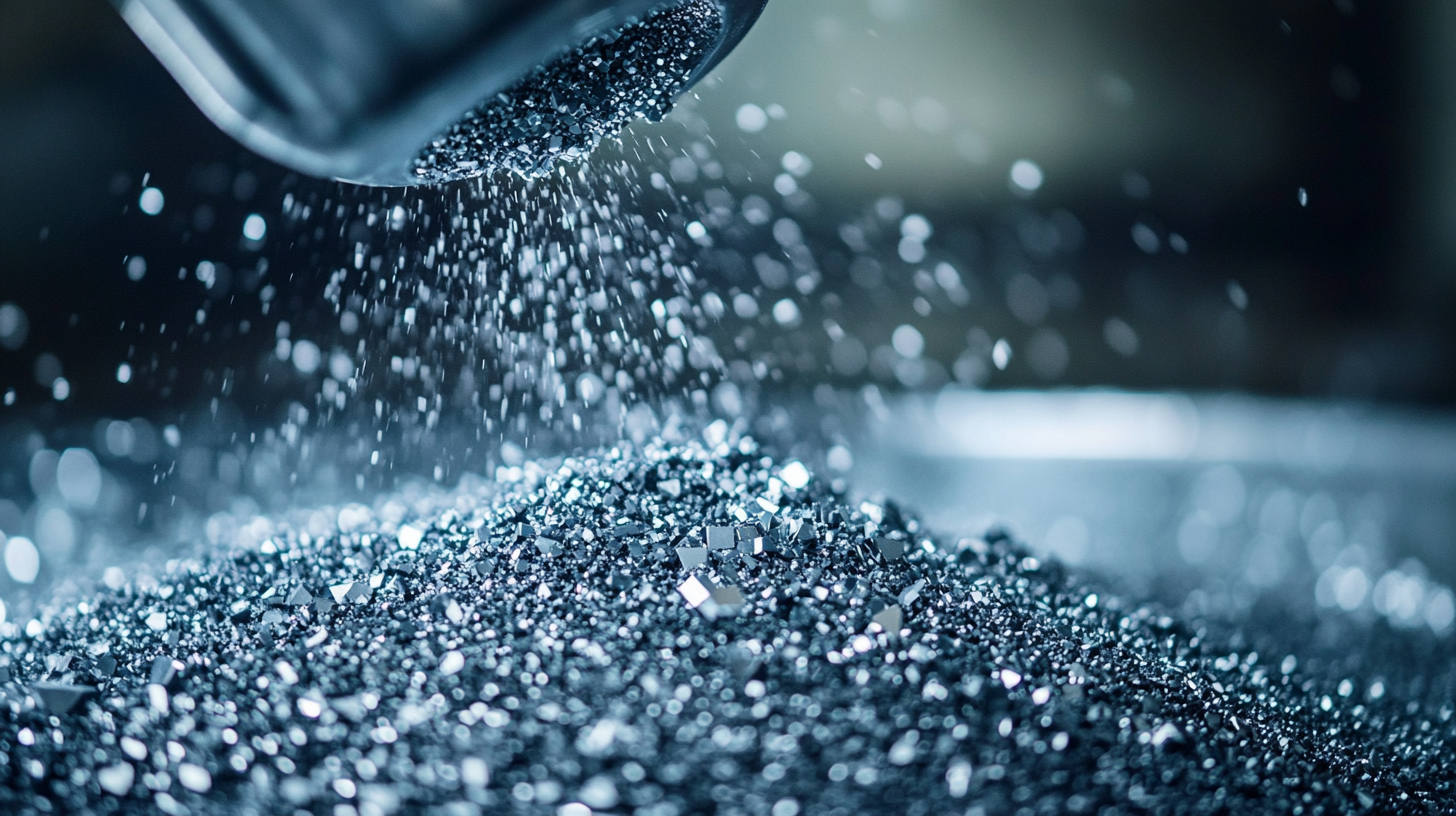
You know, these days, aluminum polishing powder manufacturers are really navigating a tricky landscape in global trade. It’s not just about making great products anymore—logistics and sourcing strategies have become a real headache. I recently came across this statement from the China Federation of Logistics & Purchasing that pointed out some pretty serious worries, especially with the U.S. pulling some strings under the Section 301 investigation. They’re looking closely at the logistics, maritime, and even shipbuilding sectors. It definitely shows that trade tensions are on the rise, and manufacturers need to figure out how to tackle these challenges head-on.
A report from Descartes Systems Group caught my eye, too. It showed that nearly half—48%—of those surveyed listed rising tariffs and trade barriers as top concerns in today’s global supply chains. It’s wild how these barriers are messing with prices and throwing a wrench into overall sourcing efficiency. To stay ahead, manufacturers really have to stay nimble, adjusting to those ever-changing regulations and international trade policies.
And let’s not forget about the geopolitical stuff; it really shakes things up for supply chains. A survey by SAPIO Research pointed out that a lot of companies are rethinking their logistics strategies because of all the tariff talk. It’s become super clear that building strong global partnerships is more important than ever. In such a crazy environment, collaboration and innovation are key. They’re the secret sauce for keeping sourcing strategies stable and competitive in the aluminum polishing powder world. So, at the end of the day, it’s all about creating resilient supply chains that can handle whatever gets thrown at them while still meeting what the market needs.
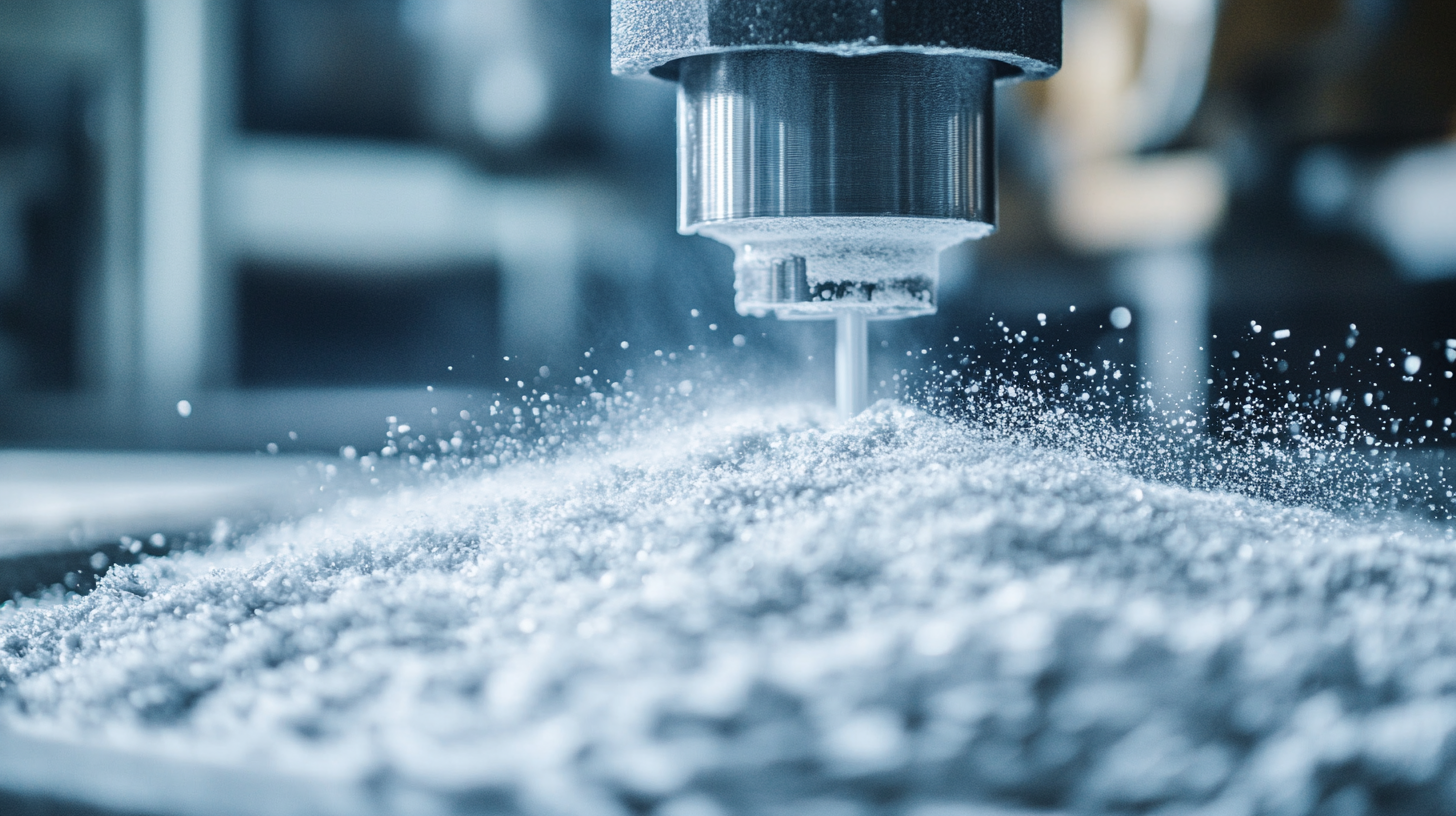
: Evaluating a manufacturer's capabilities is essential for ensuring the quality and reliability of aluminum polishing powder, as it reveals production capacity, technology, and quality control measures in place.
Advanced manufacturing processes such as automated blending and precision milling are crucial, as they enhance consistency and purity in the final product.
Certifications validate a manufacturer's commitment to quality standards, such as ISO 9001, indicating an established quality management system and enhancing trust in their products.
Industry-specific certifications related to environmental management or material safety ensure that manufacturers comply with regulatory and sustainability standards, demonstrating their credibility.
Manufacturers face challenges such as rising tariffs, trade barriers, and geopolitical movements that impact the overall efficiency of their sourcing strategies and pricing.
Manufacturers need to remain agile and adapt to changing regulations and international trade policies while fostering robust global partnerships to optimize their supply chains.
A report indicated that 48% of respondents believe rising tariffs and trade barriers are among the most critical challenges in today's global supply chains.
Geopolitical movements lead to rethinking of logistics strategies due to concerns over tariffs, highlighting the importance of collaboration and innovation in sourcing practices.
Prioritizing resilient supply chains enables manufacturers to withstand external pressures and consistently meet market demands, ensuring stability and competitiveness in the industry.
Thoroughly evaluating manufacturers’ capabilities and certifications, along with understanding logistics and trade challenges, can lead to informed decisions and successful partnerships.