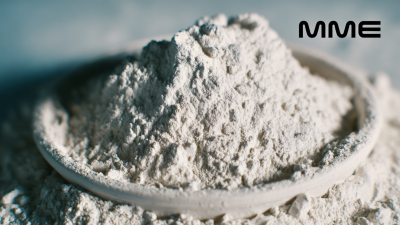
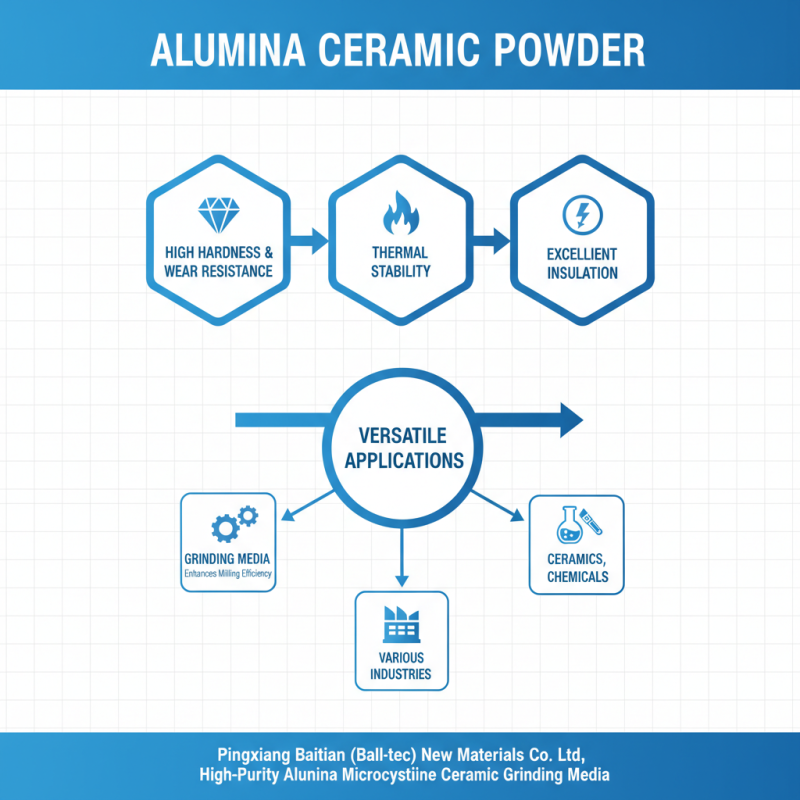
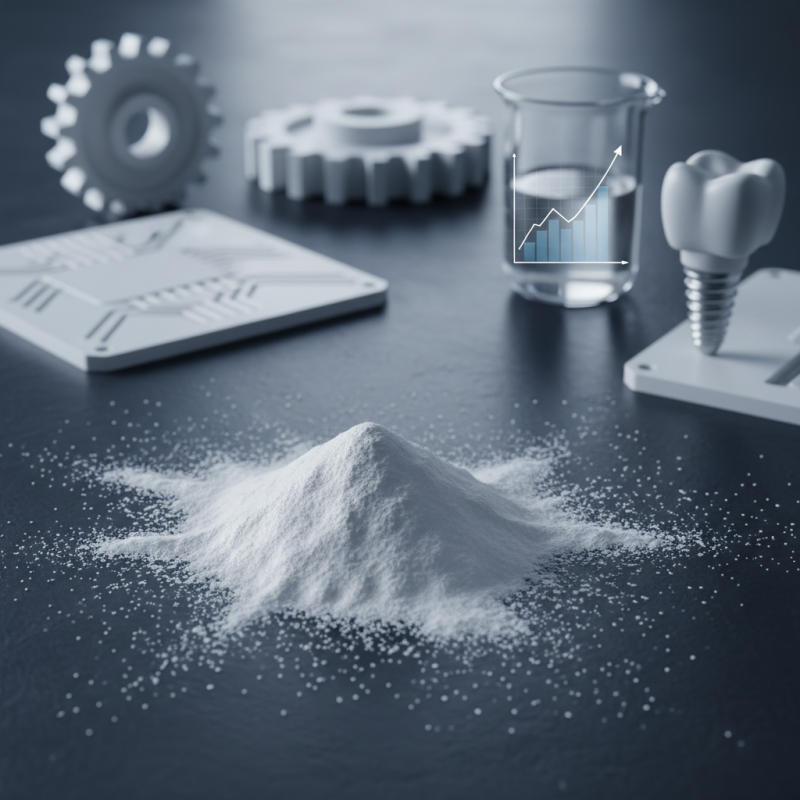
Alumina ceramic powder is pretty highly regarded in a lot of industrial circles because of its amazing qualities — like being super hard, resistant to wear, and able to handle high temperatures without a fuss. I recently came across a report from Research and Markets, and it’s pretty exciting stuff — they’re saying the global market for alumina ceramics is set to grow quite a bit. This growth is mainly driven by rising demand in industries like electronics, automotive, and even healthcare, especially for biomedical uses. The really cool thing about alumina ceramic powder is how versatile it is — perfect for making everything from high-performance grinding media to dental implants and other bio-related applications.
Here’s the thing: Pingxiang Baitian (Ball-tec) New Materials Co., Ltd. is really leading the way in this fast-growing industry. They focus on advanced materials like zirconia and alumina microcrystalline ceramic grinding media. What’s awesome is their strong commitment to R&D, manufacturing, and sales. They’re all about providing high-purity alumina ceramic powders that meet the toughest standards out there. As technology keeps evolving and moving forward, the importance of alumina ceramic powder is only going to grow — which puts Baitian in a great position to be a key player in delivering reliable, high-performance materials that are also sustainable. It’s an exciting time to be in this field, for sure!
Definition and Composition of Alumina Ceramic Powder
Alumina ceramic powder, primarily composed of aluminum oxide (Al2O3), is a versatile material known for its excellent mechanical strength and thermal stability. This powder can be processed into various forms, such as dense ceramics or porous structures, depending on the application requirements. Its composition is critical as it influences the properties of the final product, including wear resistance, electrical insulation, and corrosion resistance. Thermal treatment of γ-Al2O3 plays a significant role in the production of well-dispersed ceramic slurries, which are vital for advanced manufacturing techniques like 3D printing.
The applications of alumina ceramic powder are widespread, notably in the development of ceramic coatings through methods like High Velocity Oxy-Fuel (HVOF) spraying. These coatings are ideal for environments demanding high durability and chemical resistance. Recent advances also include optimizing the particle size and additives in slip casting processes, which significantly reduce warpage and porosity in alumina samples. Such innovations not only enhance the material properties but also expand the potential uses of alumina ceramics in lightweight protective materials encompassing ceramics, polymers, and metals.
Key Properties of Alumina Ceramic Powder
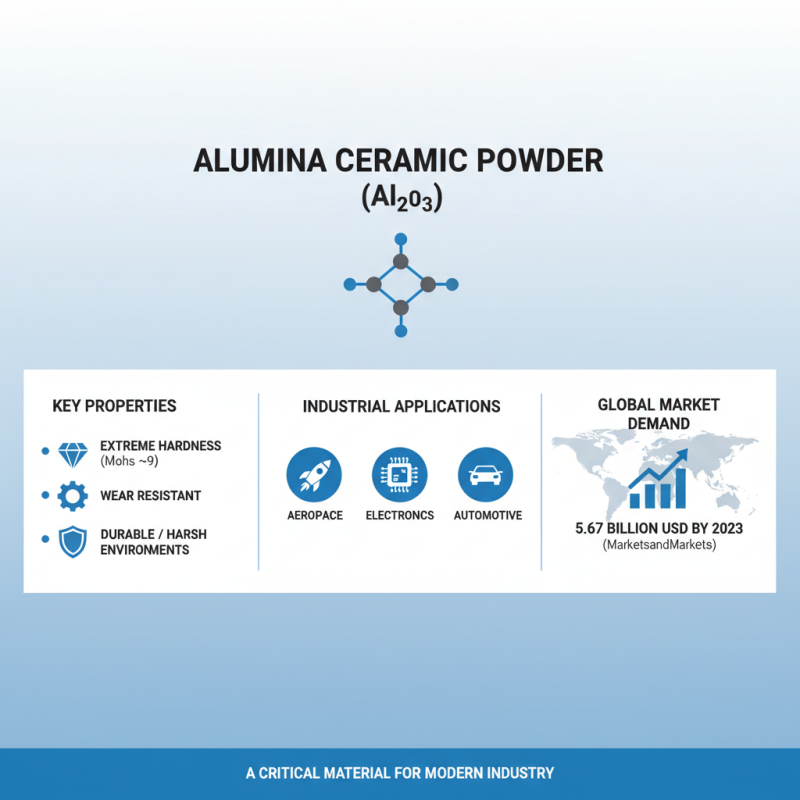
Alumina ceramic powder, primarily composed of aluminum oxide (Al2O3), is renowned for its exceptional properties, making it a vital material in various industrial applications. One of its key properties is its remarkable hardness, which ranks around 9 on the Mohs scale, positioning it just below diamond. This high hardness level not only lends itself to wear resistance but also contributes to its durability in harsh environments. According to a market analysis by MarketsandMarkets, the global demand for alumina ceramics is projected to reach 5.67 billion USD by 2023, reflecting its widespread acceptance in industries like aerospace, electronics, and automotive.
Another significant property of alumina ceramic powder is its excellent thermal stability, which allows it to withstand high temperatures without degrading. It has a thermal conductivity of approximately 25 W/m·K, making it suitable for applications requiring heat resistance, such as kiln furniture and furnace linings. Furthermore, its low electrical conductivity (around 10^-14 S/m) makes it an excellent insulator for electronic components. Research from the Journal of Materials Science indicates that these properties have made alumina ceramics an indispensable choice in the manufacturing of cutting tools, insulators, and prosthetic devices, showcasing their versatility across various technological landscapes.
Manufacturing Process of Alumina Ceramic Powder
The manufacturing process of alumina ceramic powder involves several key stages that ensure the material's high purity and performance characteristics. Initially, alumina is extracted from bauxite ore through Bayer process, which increases the alumina content to over 99%. Following purification, the alumina is calcined at high temperatures, typically around 1200 to 1650 degrees Celsius, to enhance its crystallinity and mechanical properties. According to industry reports, the global alumina market is projected to reach approximately 115 million tons by 2025, indicating a growing demand that highlights the importance of efficient manufacturing processes.
In the next step, the calcined alumina is milled to a fine powder, often using ball mills or jet mills to achieve desired particle size and distribution. This is crucial, as the properties of the final ceramic product heavily depend on the uniformity of the powder. Advanced techniques like spray drying and granulation may also be employed to produce free-flowing powders suitable for pressing or casting applications.
Tip: When selecting alumina ceramic powder suppliers, it's essential to verify their quality certifications and test data. This ensures that the material meets specific standards for your intended application, ultimately enhancing performance and reliability in your projects.
Common Applications of Alumina Ceramic Powder
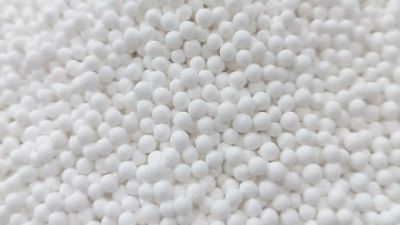
Alumina ceramic powder is a versatile material known for its exceptional properties, including high hardness, thermal stability, and excellent electrical insulation. These characteristics make it suitable for various applications across multiple industries. One of the most common uses of alumina ceramic powder is in grinding media, where its durability and wear resistance significantly enhance the efficiency of milling processes. Companies like Pingxiang Baitian (Ball-tec) New Materials Co., Ltd. specialize in producing high-purity alumina micro-crystalline ceramic grinding media, which are crucial for industries such as ceramics, paints, and chemicals.
Additionally, alumina ceramic powder is widely utilized in the manufacturing of dental materials due to its biocompatibility and aesthetic qualities. It's also pivotal in solid fuel cells, where it contributes to the performance and longevity of energy systems. In recent years, the rise of 3D printing technology has further expanded the applications of alumina ceramic powders, allowing for the creation of intricate designs with high precision. The innovative approaches adopted by companies like Baitian reflect the powder's adaptability and growing importance in modern material science.
Advantages of Using Alumina Ceramic Powder
Alumina ceramic powder is renowned for its excellent properties that make it a favorite in various applications. One of the primary advantages of using alumina ceramic powder is its remarkable hardness, which allows it to withstand wear and tear in abrasive environments. This characteristic is particularly beneficial in industries such as manufacturing and mining, where materials are constantly exposed to harsh conditions. The high hardness also contributes to maintaining the integrity of components, leading to increased longevity and reduced maintenance costs.
Another significant benefit of alumina ceramic powder is its excellent thermal and electrical insulation properties. This makes it an ideal choice for applications in electronics and high-temperature environments. The ability to resist thermal shock ensures that components can operate effectively under fluctuating temperatures without risk of damage. Additionally, its electrical insulating properties make it suitable for use in electrical insulators and substrates, thus enhancing the reliability of electronic devices. Overall, the advantages of alumina ceramic powder make it an invaluable material in modern manufacturing and technology.
Comparison with Other Ceramic Powders
Alumina ceramic powder is one of the most widely used materials in the ceramics industry, primarily due to its exceptional hardness and chemical stability. When compared to other ceramic powders, such as zirconia and silicon carbide, alumina exhibits a lower density and cost, making it an attractive option for various applications. According to a market research report by Mordor Intelligence, the global alumina ceramics market was valued at approximately $7.5 billion in 2021 and is expected to grow significantly as industries such as automotive, electronics, and biomedical continue to expand their use of advanced ceramic materials.
In contrast, zirconia ceramic powder offers superior toughness and thermal stability but at a higher cost, making it less accessible for some applications. Silicon carbide, on the other hand, is known for its excellent wear resistance and thermal conductivity. However, its brittleness can limit its use in certain environments. The choice between these materials often depends on the specific requirements of the application, including factors such as mechanical strength, thermal characteristics, and budget constraints. According to Technavio, the demand for alumina ceramic powder is projected to increase at a compound annual growth rate (CAGR) of 7% from 2022 to 2026, underscoring its key position in the ceramic materials landscape.
Future Trends in Alumina Ceramic Powder Research and Development
The increasing demand for electronic devices in recent years has significantly boosted the application of alumina ceramic powder, particularly in the form of aluminum nitride due to its remarkable properties. This material has become a critical component in the electronics industry, especially in thermal management and electrical insulation applications. The market size for aluminum nitride in China has shown impressive growth, expanding from 1.34 billion yuan in 2019 to approximately 1.56 billion yuan in 2023. This upward trend highlights the material's importance and versatility in advanced technologies.
As research and development in alumina ceramic powder continue, several future trends are emerging. Innovations in processing techniques aim to enhance the performance properties of aluminum nitride, making it suitable for even more demanding applications. Furthermore, there is a growing emphasis on the sustainability of production methods and the development of eco-friendly alternatives. The evolution of this field promises to fuel the expansion of alumina ceramics in various sectors, ensuring they remain at the forefront of materials science in the coming years.
Understanding the Benefits and Applications of Activated Alumina Balls 2-4mm for Efficient Water Treatment
Activated alumina balls, specifically the 2-4mm size, play a crucial role in water treatment applications, offering a range of benefits that make them a preferred choice for many industries. This microcrystalline alumina, composed of 92% alumina beads, is manufactured from high-purity modified alumina powder. The unique properties of activated alumina allow it to effectively remove impurities, contaminants, and excess fluoride from water, ensuring a higher quality and safer end product.
One notable advantage of using activated alumina balls in water treatment is their high adsorption capacity. Compared to zirconia beads, these alumina spheres demonstrate superior performance in various filtration processes due to their porous structure and large surface area. This enables them to absorb not only organic compounds but also heavy metals, contributing significantly to purifying water. Additionally, their durability and resistance to chemical attacks ensure long-lasting effectiveness, reducing the need for frequent replacements and thus lowering operational costs.
Incorporating activated alumina balls into water treatment systems can streamline processes while enhancing the quality of treated water. Their versatility allows them to be utilized in both residential and industrial settings, showcasing their importance in addressing water quality challenges worldwide.
FAQS
: Alumina ceramic powder is primarily composed of aluminum oxide (Al2O3).
The composition of alumina ceramic powder influences properties such as wear resistance, electrical insulation, and corrosion resistance.
The primary method used to extract alumina from bauxite ore is the Bayer process.
The calcination of alumina typically occurs at temperatures between 1200 to 1650 degrees Celsius.
Alumina ceramic powder has a lower density and cost compared to zirconia and silicon carbide, making it a more accessible option for various applications, although zirconia offers superior toughness.
The calcined alumina is milled using ball mills or jet mills to achieve the desired particle size and distribution.
The demand for alumina ceramics is expected to grow in industries such as automotive, electronics, and biomedical.
Advanced processing techniques like spray drying and granulation produce free-flowing powders, making them suitable for pressing or casting applications.
It is essential to verify suppliers’ quality certifications and test data to ensure the material meets specific standards for intended applications.
The demand for alumina ceramic powder is projected to increase at a compound annual growth rate (CAGR) of 7% from 2022 to 2026.
Conclusion
Alumina Ceramic Powder is a high-performance material renowned for its excellent mechanical properties, chemical resistance, and thermal stability. Its composition primarily consists of aluminum oxide, which contributes to its hardness and durability. The manufacturing process involves advanced techniques that ensure a uniform particle size and distribution, making it suitable for various applications, including grinding media, bio-dental products, and components in solid fuel cells.
The advantages of Alumina Ceramic Powder are significant, as it enhances product performance and longevity in demanding environments. Compared to other ceramic powders, it offers superior wear resistance and lower thermal conductivity, making it a preferred choice in several industries. As research and development progress, future trends indicate a growing interest in optimizing its properties for emerging technologies, particularly in 3D printing and high-purity applications, aligning with the innovative efforts of companies like Pingxiang Baitian (Ball-tec) New Materials Co., Ltd.