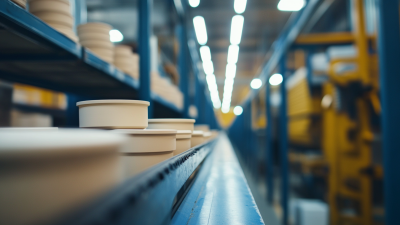
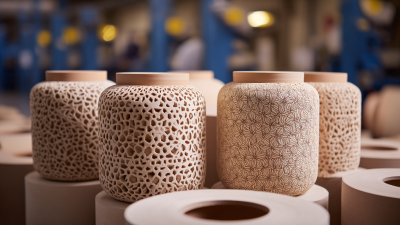
When it comes to industrial settings, the materials you choose can really make a difference in how well things run. That's why 'Ceramic Packing' is such a big deal across different industries. I mean, according to a report from MarketsandMarkets, the global market for ceramic packing is expected to jump from around $2.5 billion in 2020 to nearly $3.8 billion by 2025. That shows there's a pretty solid demand for high-quality packing solutions. Companies like Pingxiang Baitian (Ball-tec) New Materials Co., Ltd., are leading the charge with their innovative zirconia and alumina micro crystalline ceramic products. They're pushing forward with new R&D and better manufacturing processes to improve how effective ceramic packing is—especially in areas like chemical processing and environmental tech.
In this blog, I’ll walk you through why using top-tier ceramic packing can really boost performance, durability, and overall efficiency in industrial operations. Trust me, it’s pretty impressive stuff!
The Role of Ceramic Packing in Enhancing Industrial Efficiency
 Ceramic packing is pretty important when it comes to boosting industrial efficiency. It does this by offering better filtration and lasting longer across a bunch of different applications. Lately, there have been some exciting advances in ceramic membranes—especially with designs that pack more densely—which have really upped the game in ultra-filtration. That extra efficiency is a big deal, especially in sectors like water treatment or gas turbine manufacturing where tough filtration is a must. Plus, when you combine ceramic packing systems with new materials, it not only helps get more done but can also cut down on operational costs.
On top of that, newer ceramic membranes—like those made with silicon carbide—are showing off some pretty cool anti-fouling features. That means they stay cleaner for longer, which is a win for sustainable practices in the industry. Less downtime, fewer maintenance hassles, and still keeping performance high—these are the things that ceramic packing can really help with. As industries keep evolving and looking for ways to be more sustainable, ongoing improvements in ceramic packing tech are definitely going to bring some major benefits, fitting right into today’s standards for performance and eco-friendliness.
Key Benefits of Ceramic Packing in Chemical Processing Industries
You know, in the world of chemical processing, people are really starting to appreciate just how valuable high-quality ceramic packing can be. I came across a report from Grand View Research that says the global market for ceramic packing is gonna hit around $2.1 billion by 2027. That’s pretty impressive and shows just how much industries are relying on it these days. One thing I find especially cool is how resistant ceramic packing is to corrosion, especially in stuff like reaction and distillation columns. Because it’s so durable, companies can keep their equipment running longer and cut down on maintenance costs—that’s a win all around, right? It also helps make operations smoother and more efficient.
And here’s another thing—ceramic packing handles heat really well. A study from the American Institute of Chemical Engineers pointed out that in high-temperature situations, ceramic materials tend to hold up better than traditional packing options. That’s pretty important, especially in chemical reactors, where temperature swings can mess with the quality of the output. By switching to ceramic packing, industries can get better separation, which means higher yields and less energy wasted. All in all, it’s clear that ceramic packing is becoming a game-changer in this field.
The Advantages of Using the Best Ceramic Packing in Industrial Applications
Comparative Analysis: Ceramic Packing vs. Traditional Packing Materials
When it comes to industrial setups, picking the right packing materials can really make a difference in how efficient things run and what your operational costs look like. You know, traditional stuff like metal and plastic have been the go-to options for ages—they’re easy to get and pretty versatile. But let’s be honest, they often don’t hold up so well under harsh conditions or over time. That’s where ceramic packing really shines. It offers amazing thermal stability and is highly resistant to chemicals, making it a real game-changer, especially in industries dealing with extreme temperatures or corrosive materials.
What’s really impressive about ceramic packing is its ability to stay strong under stress. It lasts way longer than those conventional materials, which means fewer replacements and less downtime. That saves a ton on maintenance and boosts productivity. Plus, since ceramic packing is pretty lightweight, it’s actually easier to handle and install—big plus for busy factories and modern processes. As companies keep looking for smarter, more sustainable options, switching from traditional packing materials to advanced ceramic options seems more and more like the way to go.
Exploring the Global Reach of China’s Ceramic Packing Manufacturing
You know, China’s ceramic packing industry is really booming right now. It’s not just growing—it’s making its mark worldwide and playing a pretty important role in all sorts of industries. For example, the kaolin market is expected to jump from about $44 billion in 2025 to around $62.8 billion by 2032. That’s a pretty solid annual growth rate of about 5.2%. What does that tell us? There’s a strong and growing demand for top-quality ceramic materials, and these are crucial in everything from construction projects to electronic gadgets.
And it’s not just that. The market for porous ceramic vacuum chucks used in semiconductor wafers is also on an upswing. In 2024, it was valued at roughly $2.21 billion, and experts expect it to rise to around $3.35 billion by 2033—that’s nearly a 6% CAGR. This growth really highlights how industries, especially semiconductors—which are essential for tech innovation and economic progress—are increasingly relying on advanced ceramic tech.
All in all, as China continues to ramp up its manufacturing game, the impact of its ceramic packing industry is becoming pretty significant on the global stage. Plus, there are tons of opportunities opening up in the supply chain, especially as a lot of this shift starts to move towards Southeast Asia. It’s an exciting time for the industry, for sure.
Case Studies: Successful Industrial Applications of Ceramic Packing
Lately, you’ve probably noticed that the industrial world has been leaning more and more on ceramic packing materials. They’re really impressing everyone with how well they work in all sorts of applications. There are plenty of case studies out there showing how advanced ceramic packing has made a big difference—from chemical processing to environmental engineering projects. Take one example: a flue gas desulfurization system that used high-purity zirconia ceramic packing. It turned out to be super durable and resistant to corrosion, which meant the system ran better and lasted longer—that’s no small feat!
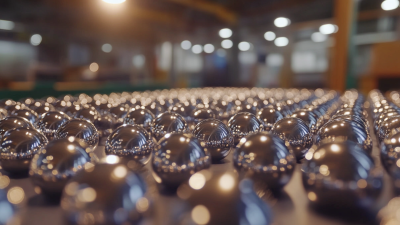
Now, when you talk about industry leaders in this space, Pingxiang Baitian (Ball-tec) New Materials Co., Ltd. definitely comes to mind. They’re folks who really focus on high-tech solutions for these kinds of needs. Their specialty? Micro crystalline ceramic materials, like zirconia and alumina grinding media. And honestly, their products are pretty amazing—doing a great job at improving process results. Thanks to their solid R&D and quality manufacturing, Baitian’s ceramic packing doesn’t just meet industry standards, it often surpasses expectations in real-world use. That’s probably why so many companies pick them when they’re looking to boost efficiency and make their operations more sustainable.
Future Trends in Ceramic Packing Technology for Industrial Use
As industries keep on evolving, the need for innovative materials is more important than ever. One pretty exciting trend right now in ceramic packing tech is using advanced manufacturing methods like 3D printing. This approach makes it possible to create really complex shapes and custom designs that help improve fluid flow and make separation processes much more efficient across different applications. Plus, 3D-printed ceramic packing can cut down on material waste during production — making it not just better for the environment, but also easier on the wallet.
Another cool development is boosting the thermal and chemical resistance of ceramic packs. Nowadays, industrial processes often run under extreme conditions, so having materials that can handle that stuff is a must. Researchers are working on ceramic composites that are tougher, more durable, and generally perform better, which means longer-lasting products and fewer maintenance worries. These innovations not only keep operations safer but also boost overall efficiency, helping industries move towards more sustainable practices down the line.
The Advantages of Using the Best Ceramic Packing in Industrial Applications - Future Trends in Ceramic Packing Technology for Industrial Use
| Application Area |
Advantages of Ceramic Packing |
Future Trends |
Potential Challenges |
| Chemical Processing |
High thermal resistance and chemical durability |
Development of nano-ceramics for improved performance |
Cost of advanced materials |
| Oil Refining |
Enhanced separation efficiency |
Integration with smart technology for monitoring |
Operational temperature limitations |
| Waste Water Treatment |
Reduction of energy consumption |
Focus on bioceramics for environmental applications |
Regulatory limitations on materials |
| Pharmaceuticals |
Increased purity and reduced contamination risk |
Customization for specific applications |
Need for strict validation and testing |
| Food Processing |
Non-reactive nature enhancing food safety |
Emergence of sustainable materials |
Investment required for upgrades |
Maximizing Efficiency with Wear & Heat Resistant Ceramic Structured Packing: A Comprehensive Guide
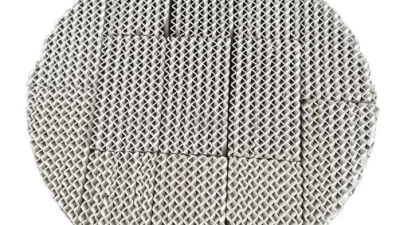
In today's competitive industrial landscape, optimizing efficiency is crucial, especially in processes involving gas-liquid interactions. The utilization of Wear & Heat Resistant Ceramic Structured Packing has emerged as a revolutionary approach to enhance performance in various applications. Unlike traditional packing materials, ceramic corrugated packing is engineered with a unique geometry that maximizes surface area while minimizing liquid retention. This innovative design not only facilitates efficient gas flow through its tortuous channels but also significantly reduces the risk of complications such as overheating and coking.
According to recent industry reports, ceramic packing demonstrates superior performance metrics compared to metal packing, particularly in regimes subject to corrosive and high-temperature environments. For instance, the corrosion resistance of ceramic materials offers a longer lifespan in harsh chemical processes, translating to lower maintenance and replacement costs. Furthermore, studies reveal that the hydrophilicity of ceramic packing ensures rapid formation of a liquid film, which enhances mass transfer rates and accelerates the process of liquid flow. This can lead to improved operational efficiencies—potentially increasing throughput by up to 30% in certain applications.
Investing in ceramic structured packing not only addresses operational challenges but also aligns with sustainability goals by minimizing waste through better resource utilization. With its ability to handle fluctuating operating conditions with ease, ceramic corrugated packing stands out as a practical solution for industries aiming to maximize efficiency while maintaining reliability in their processes.
FAQS
: Ceramic packing enhances industrial efficiency by providing superior filtration and durability, particularly in applications such as water treatment and gas turbine manufacturing.
Recent advancements in ceramic membranes, especially in high packing density designs, have led to improved performance in ultra-filtration processes, increasing efficiency across industries.
Ceramic membranes with advanced structures, like silicon carbide catalytic membranes, exhibit anti-fouling properties that minimize downtime and maintenance, contributing to sustainable industrial practices.
China's ceramic packing manufacturing sector is experiencing significant growth, with the kaolin market projected to expand from $44 billion in 2025 to $62.8 billion by 2032.
The porous ceramic vacuum chuck market is anticipated to grow from $2.21 billion in 2024 to $3.35 billion by 2033, indicating increased reliance on advanced ceramic solutions in semiconductor manufacturing.
A notable case study involves high-purity zirconia ceramic packing used in a flue gas desulfurization system, where its durability and corrosion resistance greatly enhanced system efficiency.
Pingxiang Baitian (Ball-tec) New Materials Co., Ltd. is a leading manufacturer specializing in high-tech solutions that include micro crystalline ceramic materials to meet industrial needs.
Baitian's ceramic packing products commonly utilize high-purity zirconia and alumina grinding media, showcasing effectiveness in improving process outcomes.
By reducing downtime and maintenance while ensuring high performance, ceramic packing supports industries in achieving their sustainability goals alongside operational efficiency.
The continued enhancement of ceramic packing technology is expected to provide significant benefits as industrial demands evolve, aligning with contemporary sustainability goals and performance standards.