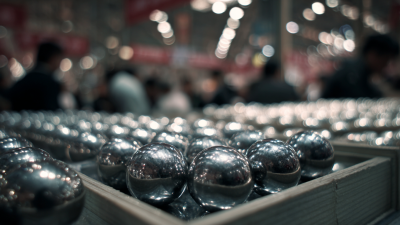
Hey, have you heard about the upcoming shifts in the global market for Zirconium Balls? Things are set to really change by 2026. As more industries chase after high-performance materials, the demand for Zirconium Balls is expected to jump quite a bit. Companies like Zirconium Inc. and Advanced Materials Group are actually leading the way, coming up with innovative solutions that fit a bunch of different uses.
What’s so special about Zirconium Balls? Well, they pack some pretty unique qualities—like high resistance to corrosion and excellent thermal stability—which makes them perfect for critical environments. If you’re involved in purchasing, it’s really important to stay in the loop about current trends, prices, and how supply chains are doing. That said, there are still some headaches, like demand bouncing around and disruptions in the supply chains, which can make things tricky.
Getting a good grasp on these factors is super important—not just about whether you can get the stuff, but also about the quality and how reliable the sourcing is. Consistently securing high-quality Zirconium Balls is key for manufacturers to keep things running smoothly. Thinking carefully about these aspects can really help in making smarter decisions when it comes to procurement and planning ahead.

Global Market Overview of Zirconium Balls in 2026
The global market for zirconium balls is poised for significant growth by 2026. This forecast is driven by increasing demand in various industries, including chemical, medical, and aerospace. Reports indicate that the zirconium balls market is expected to expand at a compound annual growth rate (CAGR) of over 8% during this period. The shift towards high-performance materials, such as Zirconium Oxide Balls, supports this growth trajectory. Industries are seeking materials that offer durability, corrosion resistance, and light weight.
Investments in research and development are crucial. Companies are exploring innovative applications for zirconium balls, specifically in advanced coatings and precision instruments. In 2025, it's projected that the automotive sector will account for around 25% of the overall demand. However, challenges remain, particularly in sourcing high-quality raw materials consistently. The reliance on a limited number of suppliers can lead to price fluctuations and availability issues.
Sustainability is becoming a pivotal issue in the zirconium ball market. Manufacturers are facing pressure to implement eco-friendly practices. Transitioning to sustainable production methods will likely require significant capital investments and innovative technology. As the market evolves, buyers will need to navigate these complexities carefully. Balancing quality with sustainability will be essential for long-term success.
Key Trends Driving Zirconium Ball Adoption Worldwide
The global adoption of zirconium balls is on the rise, driven by several key trends. Manufacturers recognize the superior properties of these materials, especially in durability and corrosion resistance. According to a recent market analysis, the global zirconium ball market is expected to grow at a compound annual growth rate (CAGR) of 6.1% from 2023 to 2028. This growth reflects increasing demand across various industries, such as aerospace, automotive, and medical.
One significant trend is the shift towards eco-friendly materials. Buyers increasingly prefer Zirconium Silicate Balls due to their low environmental impact. Reports indicate that these materials are preferred in applications where sustainability is crucial. As industries focus on reducing their carbon footprints, the demand for high-performance yet environmentally friendly materials continues to grow.
Tip: When selecting zirconium balls for your applications, consider the specific performance requirements. Testing different types might provide surprising insights into their efficiency.
Furthermore, the rise of additive manufacturing is enhancing the appeal of zirconium balls. Their ability to withstand high temperatures makes them ideal for advanced manufacturing processes. However, some challenges remain in terms of cost and material availability. Buyers must weigh these factors against performance benefits to make informed decisions.
Tip: Always review supplier certifications and material safety data sheets. This can help in ensuring reliability and quality in the sourcing of zirconium silicate balls.
Innovative Manufacturing Processes for Zirconium Balls
Zirconium balls are gaining traction in various industries, largely due to innovative manufacturing processes. Recent data shows that the global market for zirconium products is projected to grow at a CAGR of 5.2% through 2026. This growth is driven by advancements in material science and production techniques, which enhance the quality and performance of zirconium balls.
Modern manufacturing employs techniques like precision casting and advanced sintering. These methods ensure uniform density and structural integrity. Notably, the introduction of additive manufacturing allows for customized shapes and sizes, catering to specific industrial needs. Research indicates that these innovations may significantly reduce production waste, addressing both efficiency and sustainability concerns.
Tips: When selecting zirconium balls, consider their application. For grinding use, zirconium oxide balls are most effective. It's crucial to evaluate the operational environment too. Understanding the characteristics of each variant helps in making informed decisions. Investing in high-quality zirconium balls often leads to more durable and reliable performance, ultimately improving product longevity.
2026 Top Zirconium Ball Trends for Global Buyers Insights
This chart displays the projected production volumes of zirconium balls through various innovative manufacturing processes for the year 2026. The data indicates a diverse approach among manufacturers, reflecting trends in production capacities across different methods.
Applications and Industries Utilizing Zirconium Balls
Zirconium balls are gaining traction across various industries, thanks to their unique properties. These high-density balls are often employed in nuclear, aerospace, and chemical sectors. Their ability to withstand high temperatures and resist corrosion makes them ideal for harsh environments.
In manufacturing, zirconium balls act as efficient grinding media. They enhance productivity and ensure a uniform particle size. Various companies are exploring their use in milling applications. Moreover, Cerium Zirconium Balls are emerging as a promising solution in catalytic processes. Their role in enhancing chemical reactions is drawing attention from researchers.
Despite these advancements, challenges remain. The production process of zirconium balls can be complex and costly. Quality control is paramount to ensure performance. Many manufacturers are still navigating these issues as they strive to meet growing demand. Insights into how to optimize production can help address these hurdles and improve reliability in applications.
Sustainability and Environmental Impact of Zirconium Balls
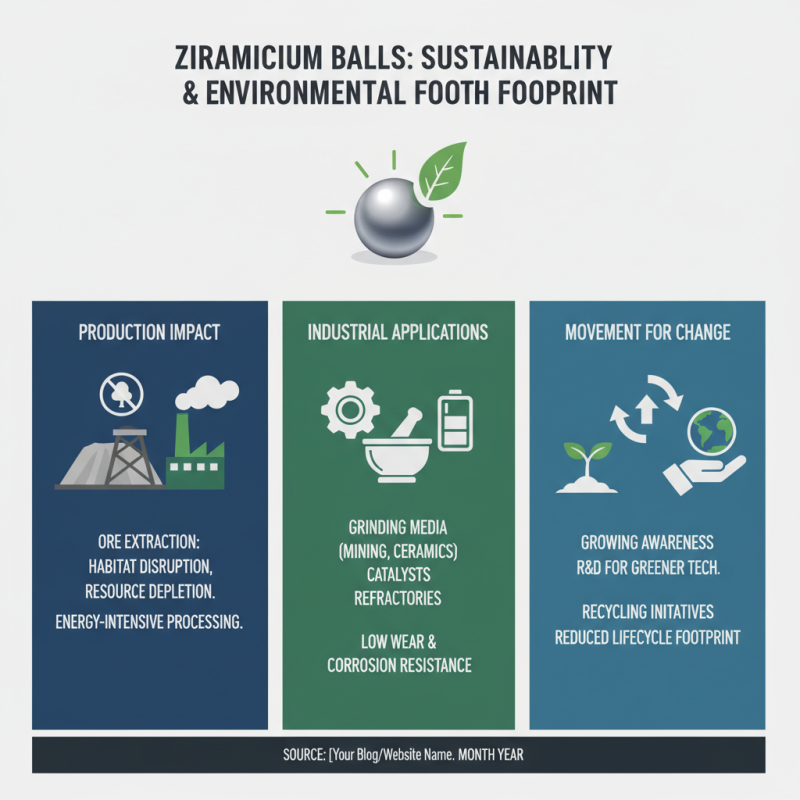
Zirconium balls are gaining attention for their role in industrial applications. Their production involves complex processes that can impact the environment. The extraction of zirconium ore often leads to habitat disruption and resource depletion. Industries are increasingly aware of this footprint.
To address these effects, companies are exploring sustainable practices. This includes recycling zirconium balls after use. It reduces waste and conserves resources. There is a growing emphasis on using eco-friendly materials during the manufacturing process. However, challenges remain. Not all methods are equally effective in minimizing environmental damage.
Consumer demand for environmentally responsible products influences manufacturing choices. Increased transparency is essential. Buyers should seek information about a product's lifecycle. Understanding these factors can lead to better decisions. Ultimately, the industry must balance innovation with environmental stewardship. This is a continuous journey toward achieving sustainability.
Competitive Landscape: Major Players in the Zirconium Ball Market
The zirconium ball market is evolving rapidly, influenced by various trends and key players. A competitive landscape reveals that many companies are exploring innovative manufacturing techniques. These techniques aim to improve product quality and reduce production costs. Buyers should consider these factors when selecting suppliers.
Tips: Look for manufacturers who prioritize sustainability. Eco-friendly practices can enhance product appeal.
Several major players dominate this market. They have established strong reputations based on quality and reliability. However, not all companies deliver the same level of service. Some may struggle with consistency, impacting customer satisfaction. It’s essential to research each potential supplier. Understanding their strengths and weaknesses can lead to better decisions.
Tips: Evaluate previous customer reviews. Real feedback provides insights that can sharpen your choices. Communication with suppliers is also key. Clear dialogue can prevent misunderstandings.
While there are many options, navigate carefully. The zirconium ball industry will continue to change. Staying updated on trends is crucial for global buyers. This will ensure informed decisions when purchasing.
2026 Top Zirconium Ball Trends for Global Buyers Insights
| Region |
Market Share (%) |
Growth Rate (CAGR %) |
Key Applications |
Material Type |
| North America |
25 |
5.5 |
Aerospace, Medical |
Zirconium Oxide |
| Europe |
30 |
4.2 |
Electronics, Defense |
Zirconium Carbonate |
| Asia Pacific |
40 |
7.0 |
Industrial, Automotive |
Zirconium Silicate |
| Latin America |
15 |
3.1 |
Construction, Oil & Gas |
Zirconium Dioxide |
| Middle East & Africa |
10 |
2.5 |
Chemical, Mining |
Zirconium Nitrate |
Future Projections and Growth Opportunities in Zirconium Balls
The zirconium ball market is evolving rapidly, presenting exciting growth opportunities for global buyers. Demand is driven by applications in various industries, from aerospace to medical devices. Buyers need to be aware of the unique properties of zirconium, such as its corrosion resistance and strength. These traits make it a preferred choice for high-performance applications.
However, the market is not without challenges. Sourcing high-quality zirconium balls can be inconsistent. Manufacturers often face issues with material impurities. Buyers must conduct thorough research and partner with reliable suppliers. A strong understanding of the supply chain can help mitigate risks. Information about new technologies and innovations is crucial for making informed decisions.
As we look ahead, trends indicate increasing adoption of zirconium balls in emerging markets. These regions show promise due to industrial growth. Possible barriers include fluctuating raw material costs and regulatory changes. Buyers should remain flexible and adaptable. Staying informed will ensure they capitalize on the opportunities this market offers.
Market Analysis and Applications of Nanometer Zirconia Powder: Insights from Recent Industry Reports on Monoclinic Zirconium Oxide Trends
Nanometer zirconia powder, or zirconium dioxide (ZrO₂), is increasingly recognized for its pivotal role across various industries, driven by its unique properties and diverse applications. Recent industry reports highlight a significant upward trend in the adoption of monoclinic zirconium oxide, primarily due to its high stability and enhanced mechanical strength. Data indicates that the global market for zirconia is anticipated to grow steadily, propelled by demand in sectors such as ceramics, electronics, and advanced materials.
The properties of ZrO₂, such as being a white powder that is nontoxic, tasteless, and insoluble in water, make it an ideal choice for numerous applications. It serves as a fundamental raw material for producing metallic zirconium and its compounds, aiding in the development of refractory materials that withstand high temperatures. Furthermore, its utilization in ceramic materials has garnered attention, with reports suggesting that advancements in nanometer zirconia powder technology could significantly improve product durability and performance.
With ongoing innovation and research, the future of nanometer zirconia powder appears promising. Experts predict that as more industries identify the benefits of this versatile material, such as its contribution to enhancing material efficiency and durability, the demand for high-quality zirconium dioxide will continue to rise, marking an essential step in meeting the needs of modern engineering and manufacturing.
FAQS
: Key factors include durability, corrosion resistance, and growing demand in various industries.
They are preferred for their low environmental impact and eco-friendly properties.
The market is projected to grow at a CAGR of 6.1% from 2023 to 2028.
Buyers may encounter inconsistencies in quality and issues with material impurities.
Performance requirements and potential benefits should guide their selection process.
Additive manufacturing increases demand due to zirconium's ability to withstand high temperatures.
Testing different types may reveal surprising insights into performance efficiency.
Always review supplier certifications and material safety data sheets for reliability.
Fluctuating raw material costs may pose challenges for manufacturers and buyers alike.
Knowledge of trends and technologies helps buyers adapt and capitalize on opportunities.
Conclusion
The article on "2026 Top Zirconium Ball Trends for Global Buyers Insights" provides a comprehensive overview of the zirconium ball market, highlighting key trends and innovations shaping its future. As global demand for zirconium balls rises, the report identifies significant factors driving their adoption, including advancements in manufacturing processes and a focus on sustainability. Various industries are leveraging zirconium balls for their unique properties, leading to increasing applicability across sectors.
Moreover, the competitive landscape reveals major players within the zirconium ball market and discusses future growth opportunities. The emphasis on environmental impact underscores the industry's commitment to sustainability, making zirconium balls not only a functional choice but also an environmentally responsible one. Overall, the insights presented suggest a promising growth trajectory for zirconium balls as they gain traction in diverse applications worldwide.