You know, as the world keeps craving more advanced manufacturing solutions, it’s no surprise that the market for
Large Ceramic Beads is expected to grow pretty quickly in the coming years.
I read a recent report by Market Research Future, and it predicts a solid growth rate—about
6.2% CAGR from 2022 to 2028. This boost is mainly because these ceramic beads are
super useful in industries like aerospace, automotive, and electronics.
Here at Pingxiang Baitian (Ball-tec) New Materials Co., Ltd., we’re really riding this wave, focusing on making
high-quality zirconia and alumina micro crystalline ceramic grinding media. We’re all about innovation and pushing for products
that help make manufacturing more efficient and sustainable. Looking ahead to 2025 and beyond, understanding these industry
trends will be key—especially for global buyers on the hunt for reliable and
cutting-edge solutions in Large Ceramic Beads.
Emerging Technologies Shaping the Large Ceramic Bead Industry by 2025
By 2025, the big ceramic bead industry is expected to go through some pretty exciting changes, thanks to new tech advancements. For example, lately, there’ve been some cool breakthroughs with micro-structured ceramic beads. These tiny innovations are making a real difference, especially in critical areas like cleaning up the environment. Researchers are showing that these specialized beads can handle diffusion problems in PMS-activated systems much better, which is a big step forward in what they can do. Really, this opens up a whole bunch of new possibilities for industrial applications.
And it’s not just technology driving things forward — market trends are changing too. The market for silver-coated ceramic beads is predicted to hit around USD 357 million by 2031, with a steady growth rate of roughly 10.5% from 2025 onward. That’s pretty impressive! It reflects growing demand for high-performance materials across sectors like aerospace, healthcare, and more. Plus, it highlights how companies are pushing toward greener, more efficient production methods. As manufacturers explore new materials and coatings, it’ll be important to keep up with these shifts to meet the evolving needs of buyers worldwide.
Key Market Drivers Influencing Demand for Large Ceramic Beads Globally
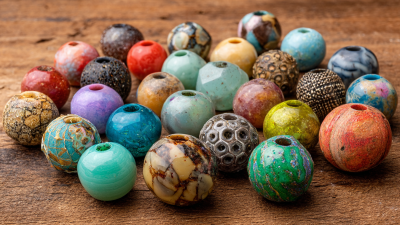
You know, as more and more people are leaning toward unique and eco-friendly materials, large ceramic beads are really starting to make a splash across different industries—think fashion, design, jewelry, you name it. It’s interesting to see how much the market is driven by folks’ fascination with handcrafted pieces and their growing preference for sustainable options. Recent reports suggest that the global market for ceramic beads is expected to grow about 7% annually between 2022 and 2025. That’s mainly because consumers are turning their attention to products that are both artisan-made and eco-conscious.
On top of that, advances in manufacturing tech are making a big difference, allowing manufacturers to produce ceramic beads with more variety—different shapes, colors, and finishes that really catch the eye of designers and craftspeople. Interestingly, the Asia-Pacific region is leading the charge here, making up over 40% of the sales, mostly thanks to the exploding arts-and-crafts scene in countries like India and China. As people all over become more conscious about what they buy, it looks like demand for large ceramic beads is only going to grow, making them a go-to staple in both handmade crafts and fashion accessories.
Innovative Alternatives to Traditional Ceramic Beads in 2025
Looking ahead to 2025, it’s pretty clear that the world of ceramic beads is really starting to shift. People are craving more innovative options beyond the usual materials—and companies are hunting for high-performance solutions that are more durable, lighter, and packed with better features. One of the coolest things happening right now is the rise of advanced ceramics like zirconia and alumina. These materials are truly changing the game across a bunch of industries—from dental work to aerospace, and everything in between.
Here at Pingxiang Baitian (Ball-tec) New Materials Co., Ltd., we’re right in the middle of all this innovation. Our team’s really focused on developing high-purity zirconia powders and super fine ceramic grinding media for precise industrial uses. As buyers worldwide start exploring fresh options, our products aren’t just meeting the mark—they’re actually surpassing what traditional ceramic beads can do. This shift toward new materials is going to shake things up, giving companies some exciting chances to boost their efficiency and expand what they can offer in such a fast-changing market.
Exploring 2025 Industry Trends in Large Ceramic Beads
This chart illustrates the projected market growth of large ceramic beads in 2025, comparing traditional ceramic beads with innovative alternatives. The data represents the estimated market size (in million USD) for both categories, showing a significant shift towards alternative options.
Sustainability Trends in Large Ceramic Bead Manufacturing Processes
Lately, the way big ceramic beads are made is really changing, especially with all the buzz around sustainability. You know, manufacturers are definitely moving towards greener methods — cutting down waste and trying to shrink their carbon footprints. Like, recent innovations in eco-friendly fiber-reinforced composites show that mixing in bio-based materials can really make a difference — not just for the environment, but also for how good the final products are. It’s all part of this bigger push towards smarter, more sustainable manufacturing that’s in line with Industry 4.0 — focusing on innovation and efficiency in production.
And it’s not just about using eco-friendly materials — there’s also a big trend towards closed-loop systems. Basically, companies are recycling raw materials and reusing waste byproducts, which helps make the most out of every resource and supports the idea of a circular economy. Reports are pointing out that these sustainable practices aren’t just about ticking boxes for regulation — they also really speak to consumers who care about the environment. As more buyers around the world are looking for greener options, the industry’s bound to keep pushing these ideas forward, leading us into a more responsible and eco-conscious future for ceramic bead making.
Regional Insights: Global Markets for Large Ceramic Beads in 2025
So, as we look into the regional trends of the big ceramic beads market in 2025, it’s pretty clear that the landscape is quite diverse. You’ve got different consumer preferences, cultural meanings, and economic factors all playing a part.
Over in North America, there’s definitely a buzz around handmade jewelry and artisanal crafts, which naturally boosts demand for unique ceramic pieces. People seem to be on the lookout for beads that not only look good but also come with a story — kind of like jewelry with a soul. This vibe is likely to keep growing, with folks leaning more towards products that highlight craftsmanship and are eco-friendly.
On the flip side, the Asia-Pacific region is seeing a real boom in producing large ceramic beads. Thanks to innovation and more affordable options, countries like China and India are really stepping up as leaders in this space. They’re using advanced techniques to make high-quality beads that don’t break the bank. This isn’t just for local markets either — these countries are becoming major exporters. As global buyers start to diversify where they source their beads from, the competitive prices and wide variety from Asian manufacturers are expected to draw quite a bit of attention in 2025. Getting a good handle on these regional differences is going to be super helpful for anyone looking to tap into this growing market for large ceramic beads.
Challenges and Opportunities in the Large Ceramic Bead Sector for Buyers
Looking ahead to 2025, the big ceramic bead market is on the verge of some pretty interesting shifts. People in the global market are facing a mix of challenges and chances—it's kind of a rollercoaster, honestly. One of the trickier parts right now is dealing with the ups and downs in raw material costs, which can really influence prices and whether supplies are available when you need them. Manufacturers are also trying to find sustainable options, so having trustworthy sources of high-quality materials is more important than ever. Buyers need to stay sharp and navigate these changing market forces so they can lock in good deals and avoid surprises like sudden price jumps or supply chain hiccups.
On the flip side, there's some exciting stuff happening, too. The demand for custom-made and artisanal ceramic beads is really picking up, which opens up all kinds of opportunities. If buyers team up with manufacturers, they can develop unique designs that fit niche markets—pretty cool, right? Plus, there's a big push toward eco-friendly products. This means buyers have a chance to partner with brands that care about sustainability. Investing in large ceramic beads that aren’t just gorgeous but also ethically made can really boost a business’s image and attract customers who care about the planet. All in all, as we look toward 2025, the potential for innovation and growth in this sector is huge—definitely an exciting time for everyone involved in the industry!
Exploring 2025 Industry Trends in Large Ceramic Beads for Global Buyers
| Trend Dimension |
Current Market Status |
Future Projections (2025) |
Challenges |
Opportunities |
| Sustainability Initiatives |
Increasing demand for eco-friendly materials |
40% market share from sustainable products |
High cost of sustainable materials |
Growing consumer preference for green products |
| Technological Advancements |
Limited adoption of new technologies |
70% increase in production efficiency |
Resistance to change from traditional methods |
Increased automation and smarter production |
| Global Supply Chain |
Post-pandemic disruptions |
More localized supply chains |
Geopolitical tensions affecting supply routes |
Opportunities for regional sourcing |
| Market Diversification |
Niche markets emerging |
Diversified product offerings across sectors |
Market saturation in traditional sectors |
Growth in artistic and designer segments |
| Consumer Preferences |
Shift towards personalization |
Customizable product lines will rise by 50% |
Difficulty in mass customization |
Enhanced consumer engagement through customization |
Exploring the Benefits and Applications of High Purity 95% Yttria Zirconia Beads in Advanced Materials
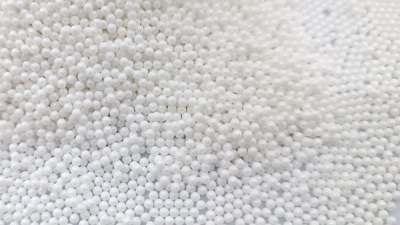
High purity 95% yttria zirconia beads offer a remarkable range of benefits and applications in advanced material technologies. Comprising 95% zirconia, these beads have a bulk gravity of 3.6g/cm³ and a density of 6.1g/cm³, making them ideal for use in various demanding settings. Their exceptional Vickers hardness of 1250 ensures durability and resistance to wear, making them suitable for applications requiring precision and longevity. The beads are available in a range of sizes from 0.05mm to 20mm, providing versatility for different industrial needs.
The pure white color and bright surface finish of these zirconia beads not only enhance their aesthetic appeal but also contribute to their performance in applications such as grinding, milling, and as a component in advanced ceramics. Their high resistance to thermal and chemical degradation makes them an excellent choice for use in environments subject to extreme conditions. Industries such as electronics, pharmaceuticals, and advanced ceramics are increasingly leveraging the unique properties of yttria-stabilized zirconia beads to achieve superior outcomes in product performance and quality. The seamless integration of these beads into composite materials further enhances their mechanical properties, paving the way for innovations in material science.
FAQS
: Advanced ceramic materials such as zirconia and alumina are leading the way in replacing traditional ceramic beads due to their greater durability, lower weight, and enhanced functionality.
The company focuses on R&D to produce high-purity zirconia powder and micro crystalline ceramic grinding media tailored for precise industrial applications, exceeding the performance of traditional ceramic beads.
There is a growing emphasis on sustainability, with manufacturers adopting eco-friendly processes to reduce waste and carbon footprints, in line with broader sustainability trends.
Manufacturers are integrating bio-based materials and implementing closed-loop systems to recycle raw materials and utilize waste byproducts, optimizing resource use.
This shift is driven by regulatory requirements and the increasing preference of eco-conscious consumers for sustainable products, prompting manufacturers to innovate.
Incorporating sustainable materials and practices can enhance the performance of final products while minimizing environmental impacts, contributing to a more responsible manufacturing approach.
The adoption of closed-loop systems in production allows manufacturers to recycle materials and reduce waste, fostering a circular economy within the ceramic bead industry.
Industry 4.0 emphasizes innovation and efficiency in production processes, driving manufacturers to adopt advanced technologies and sustainable practices in the ceramic bead sector.