Pingxiang Baitian New Materials Co., Ltd

Leave Your Message
The involvement of Aluminum Polishing Powder is gaining importance in various industries as the demand for a high-quality surface finish increases throughout the verticals. The recent industry reports have witnessed the growth of the polishing powders market across the globe which is projected to surpass 5% in terms of CAGR through 2025, attributed to advancements in manufacturing processes and increasing importance on aesthetic appeal employed on metal products.
Developing new Aluminum Polishing Powder would tackle these issues, thus creating efficiency in surface finishing, especially in automotive, aerospace, and consumer goods industries wherein the quality of surface treatment directly correlates with the overall product performance and lifespan.
Pingxiang Baitian(Ball-tec) New Materials Co., Ltd. has invested all these high technologies into the aluminum polishing powder to develop products that meet the high standards of the polishing industry. Therefore, it will have an end-of-the-road solution that can even surpass the rigorous demands of the polishing industry. Baitian aims to develop the next generation polishing materials and produce them so organic-grown products can achieve that highest possible surface finish with optimal efficiency and cost-effectiveness.
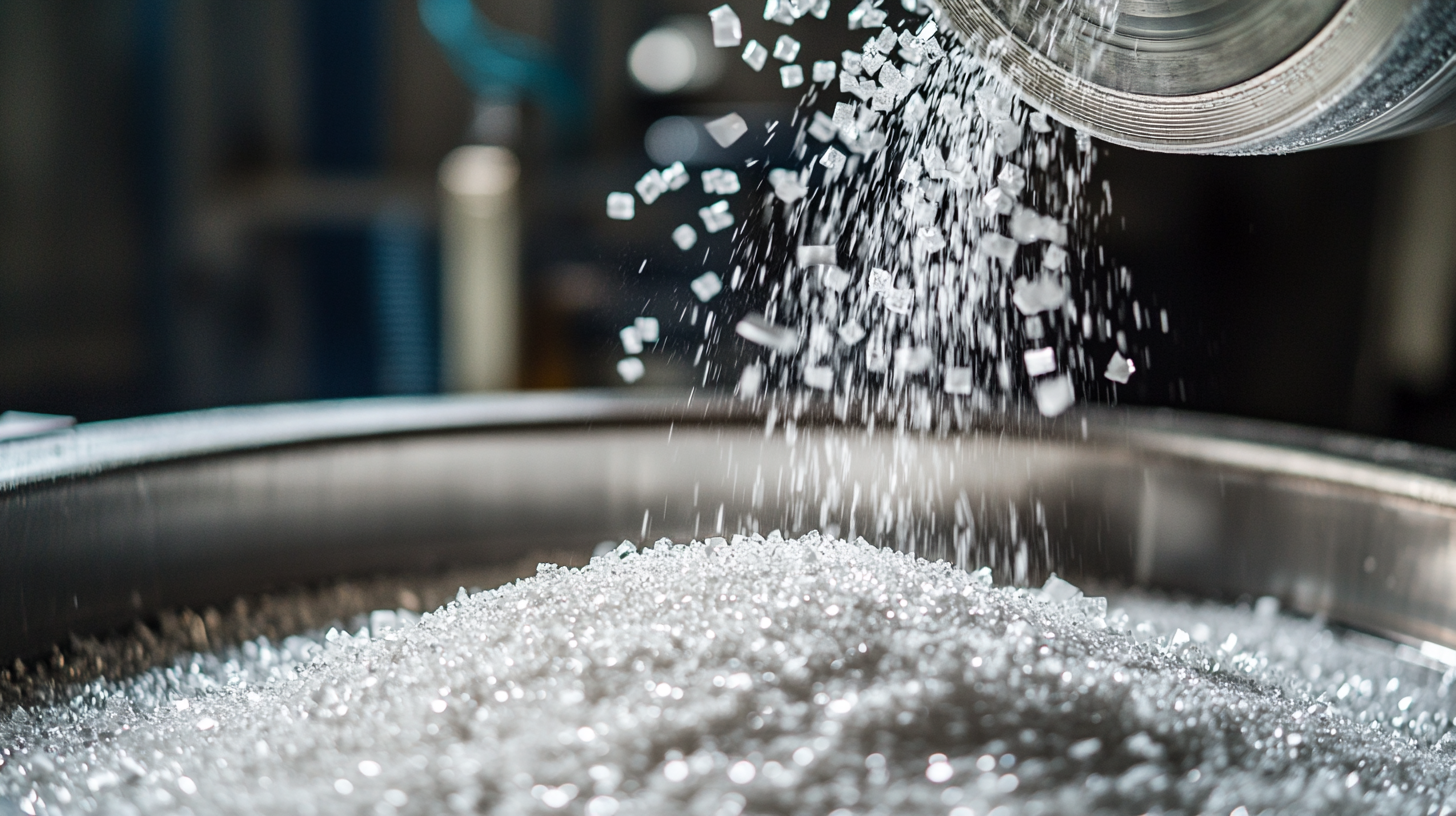
Recent developments in aluminum polishing powders are enhancing the possibilities for surface finishing in 2025. Materials that not only enhance performance but also prevent corrosion are being sought by manufacturers; hence, new and novel formulations have been developed. These new polishing powders are designed to give the highest quality so that smooth finishing results can be ensured while attempting to reduce any chance of surface damage during polishing. One of the great breakthroughs would be the chemical mechanical polishing (CMP) compositions formulated to include advanced abrasives and additives. These formulations have been developed to be effective with aluminum alloys in general, which provides tremendous flexibility in considerations for industries as varied as automotive and aerospace. The new-age technology now being utilized in these polishing powders will enable easy reduction of processing time while imparting good quality finishes capable of sustaining the rigorous demands of the market today. The whole thinking is about sustainability. The new polishing powders are designed with eco-friendly feedstock minimizing any waste generation and chemical residues. This green chemistry is not just a positive factor from the product user's point of view; it also actively supports the worldwide movement toward reducing environmental impact attributable to manufacturing processes. Set to change the way things are done, the breakthroughs in aluminum polishing powders will also remain critical to the surface finishing industry in the years to come.
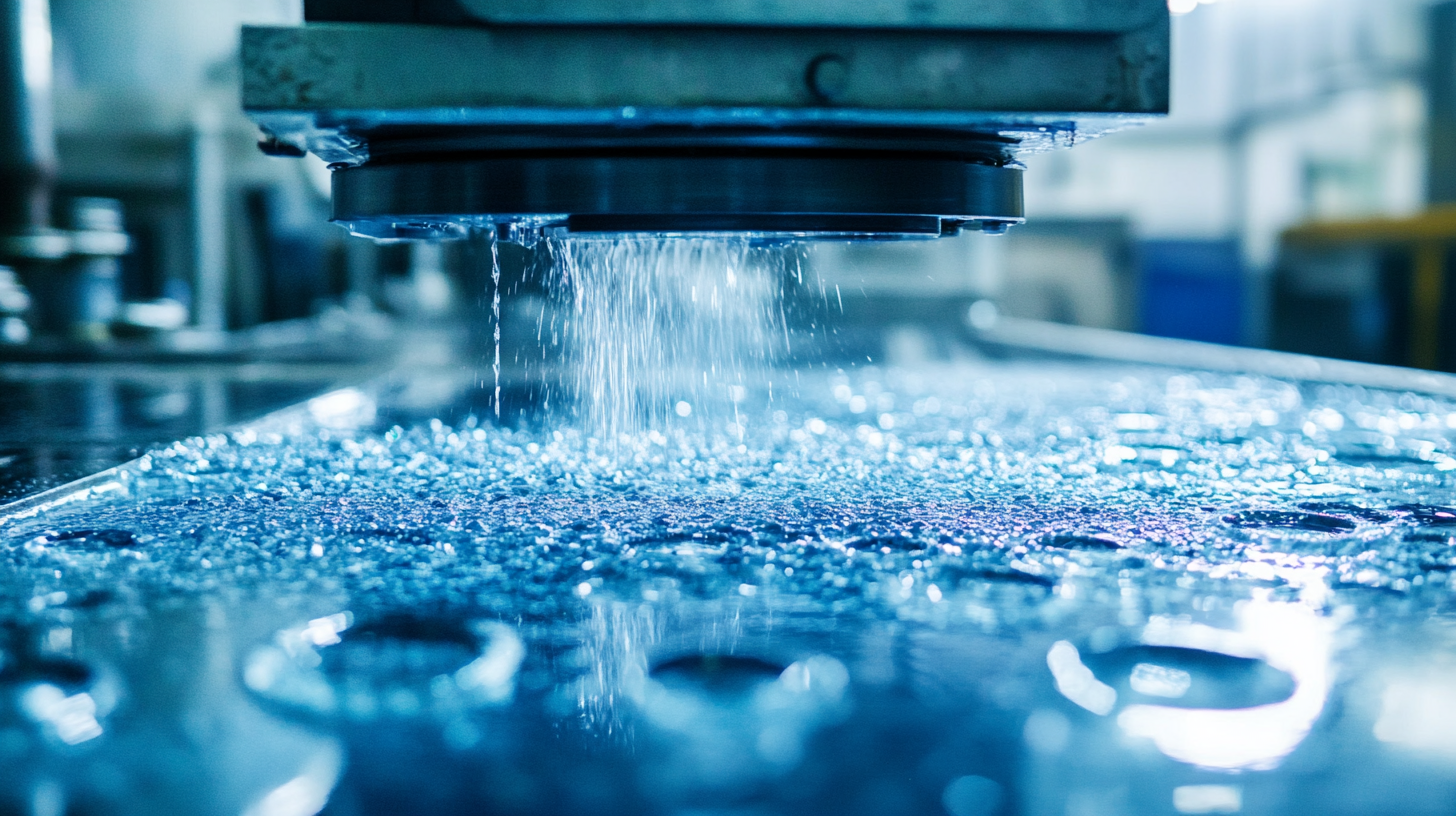
The main factors affecting the aluminum polishing powder surface finishing efficiency are various; knowing these factors increases the quality of the finish and reduces the time that production requires. One of the most important items is the composition of the polishing powder itself. The proper combination of abrasive materials determines not only the speed of polishing but also the level of surface refinement achieved by the polishing process. Fine abrasives may impart a high luster to the finish but require longer processing time, whereas coarser abrasives cut material much faster.
Another deciding circumstance is the polishing method employed. The machinery being used—vibratory finishing or centrifugal polishing systems—has an immediate effect on efficiency. Then there are adjustments like speed, pressure, and duration that must be optimized in order to get the best results. These settings should always be adjusted to match the specific requirements of the aluminum being processed since different alloys can behave quite differently when polished.
Environmental considerations in the polishing area are the final concern but have a very significant effect. Temperature and humidity can affect how polishing powder and aluminum behave. A controlled environment enhances the effectiveness of polishing and guarantees consistency among batches. Considering the aforementioned factors, manufacturers can significantly increase aluminum polishing surface finishing efficiency that leads to improved product quality and increased operational productivity.
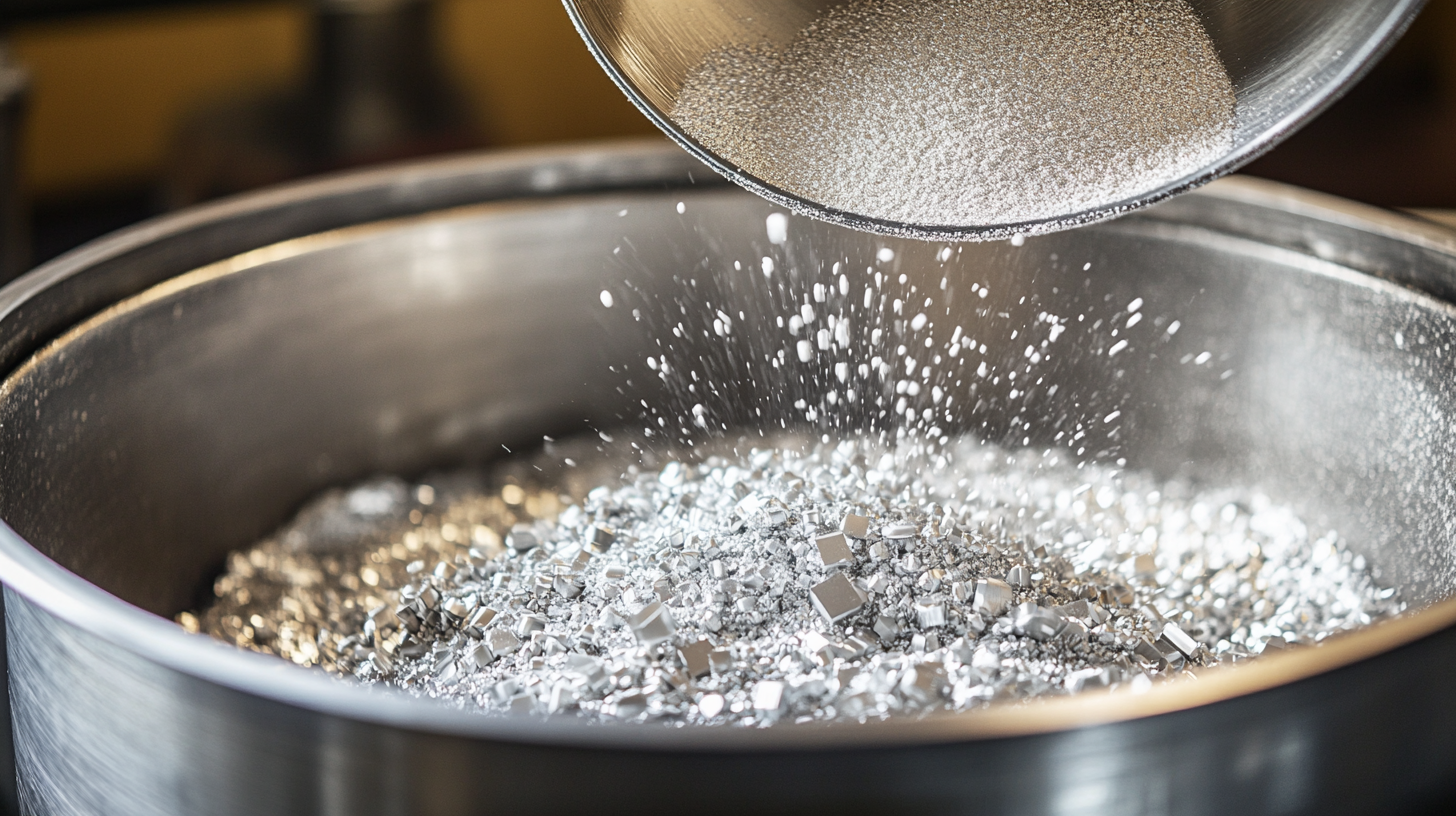
Traditionally, the surface finishing industry has depended on polishing powders known for their consistency and reliability, which they consider their old library. But the modern tendency regarding efficiency and sustainability has been an entry point for modern polishing powders, which are rapidly becoming alternatives to traditional polished powders. Such new formulas not only increase speeds in the polishing process but also create less wastage for a more efficient workflow. Analysis of the distinctions between the old traditional powders and the new innovative powders is essential, as it will shed light on how best such developments can be harnessed for improvements of surface finishing operations.
Most common traditional polishing powders have been based on abrasives: these can work well but be pretty slow, with effectiveness varying from application to application and causing either over-polished areas or areas not polished sufficiently. In contrast, new-age polishing powders make use of high-tech chemical compositions whose application permits a closer cut and an even more splendid surface quality. Such powders are additionally rich in micro-abrasives and additives that render finer finishes with defects less than expected. The same has made it clear how the industry is fast moving towards such innovative solutions because of the demand to improve production timelines and cut on costs.
In addition, waste during polishing methods is one of the most growing concerns for industries today. Traditionally polishing powders might end up producing large waste and have extensive cleaning requirements; modern alternatives are particularly made conducive to the environment. Besides enhancing surface quality, these innovations also tie in with emerging sustainability goals in the industry. Since many companies are currently reviewing their polishing methods, the move to these innovative powders may be what leads to efficiency and environmentality.
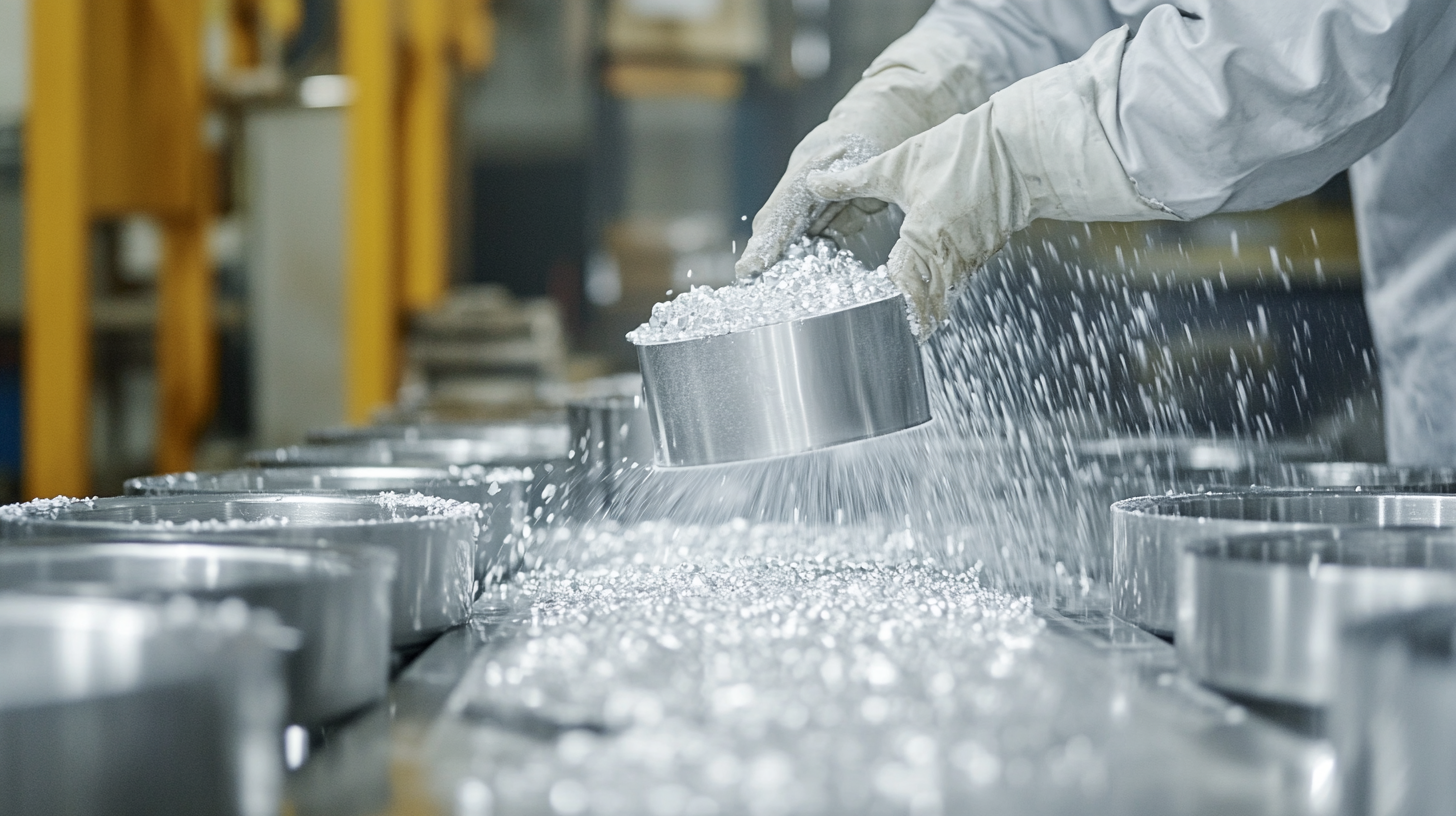
By the time we reach the 2025 horizon, sustainable practices would have crept into aluminum polishing, efficient in their operations while addressing waste generation and environment degradation. Conventional methods of aluminum polishing employ toxic and energy-hungry processes, generating huge effluents and carbon emissions. How things have changed as companies are already innovating their way to adopting greener practices, balancing performance with sustainability.
One of the areas in this development is the use of biodegradable polishing compounds as substitutes for toxic ingredients for effective surface finishing without environmental harm. These new powders are made from natural ingredients for a high-quality polish while cutting down on unnecessary chemical runoff. Besides these, closed systems for recycling waste that does not end in landfills would even further waste minimization in manufacturing plants.
Another practice gaining popularity in polishing applications is the incorporation of renewable energy sources such as solar or wind into polishing processes. This is being done so that companies can meet the carbon footprint reduction requirements while riding the current trend selling green products to an increasingly growing number of eco-minded consumers. Sustainable practices, implemented as progress leads us to the year 2025, do not make sense just from moral grounds, but also ensure that businesses are front-runners in innovative practices as well as responsibility.
The landscape of aluminum polishing powder is set to undergo another round of change by 2025, driven in large part by the technological advancements (especially the automated ones). Industries are focused on improving their efficiency and quality of surface finishing with increasingly vivid acceptance of automation. Automation is not merely enhancing the effectiveness of polishing but also generating the precision and consistency of end products.
Automation of aluminum polishing has many advantages: as costs remain low and the human error rises lower. Precision control that robot arms bring with them is a virtue very far from human hands, if it can ever happen. Nevertheless, many designers of aluminum polisher to mislead automation in this direction at our plant level seem to be feeling that manual processes cannot match it, leading to faster production run, which allows increasing business levels to keep pace with market demand without endangering quality. The application of automatic precision control systems does decrease the waste of raw materials during polishing. Of course, this results in a sustainable and economical approach to the finishing process.
Moreover, with the help of the data-driven capabilities associated with many automation techniques, polishing processes can become ever efficiently monitored and adjusted within real-time space. These technologies assure that any minor deviations from the required outcomes are promptly adjusted and corrected. The prospects of aluminum polishing are looking up with the advent of automation chewing up much of the ground in the desire to assist a more efficient pathway to surface finishing.
A drastic change is occurring in the aluminum polishing powder market by an incredible 2025, now revolving around user-centered designs for various application scenarios. Moving toward more personalized polishing solutions increases surface finishing efficacy and also answers the unique demands of diversified industries ranging from automotive to aerospace. By gaining insight into the special requirements each sector holds, manufacturers are able to design formulations that are peculiar to each sector in optimizing polishing pursuit, thus achieving improved outcomes with lesser effort from the user.
Among the more advanced developments in aluminum polishing powders is the implementation of new designs in granule shapes and sizes. These alterations target the applications allowing users to realize smooth finishes in less time. For example, in the case of automotive components, powders are focused on giving a fine polish for aesthetics while being durable. In architecture, the powders are tailored to give high luster and visual appeal while ensuring a good stand in performance dimension.
Alongside user-centric formulation, different ways of end-user customizable packaging and application are now also feasible. Some manufacturers are integrating smart packaging, which guides the end user to choose the right polishing powder according to their task. This not only helps simplify the choice but also ensures that end users get maximum benefit from their polishing activity. As the development of innovations continues, the user experience will remain at the core of determining how successful the aluminum polishing powders will be.
While focusing on the present and future developments of the aluminum surface treatment technologies, one can shed light on the innovations in polishing powder, which are no less than a revolution. The next step proving advancements beyond just improving efficiency for the polishing process is earmarked for 2025-that will increasingly be charged with environmental sustainability. Manufacturers are already engaging in the development of eco-friendly aluminum polishing powders reducing waste and energy consumptions with increasing awareness of the environment. This transition towards sustainable materials is in line with the trend going on in the industry while keeping the product quality.
The other interesting trend has been the introduction of digital technologies into the surface treatment processes. It is expected that smart coatings and continuously monitoring systems will lead to the precise execution of the polishing operation. Predictive maintenance as well as an optimised polishing cycle may be modernised with advanced data analysis and may lead to significant savings in time and cost. Moreover, this technology enables manufacturers to achieve more consistent finishes, enhancing the overall engineering economics and aesthetics of aluminum products.
The increasing demand for high-performance aluminum finishes in various sectors-such as automotive and aerospace-indicates the need for innovation in surface treatment methods. In the journey towards 2025-already, one can expect greater automations and efficiency gains meant not only to improve the quality of aluminum surfaces but also for the entire production process. With these advancements, it will be redefining for the aluminum polishing industry standards of excellence in finishing technologies and open broader, more efficient future paths.
The challenges that the aluminum surface finishing industry faces include the sewing of good polishing results but at lower production price with reduced time. A major point of contention is the surface smoothness inconsistency, as it translates into different results that do not conform to the prescribed standards. To stem this problem, manufacturers can acquire advanced polishing powders explicitly meant for boosting the efficacy of the polishing process. Such innovations tend to use finer particle sizes and custom compositions for improved uniformity in application.
The ecological impact of polishing processes is also considerable. Conventional painting processes of aluminum would normally depend on very harsh chemicals, which eventually turn out to be poisonous not only to the workers but also to the earth. One of the premier solutions could also be in developing environmentally friendly powder polishes that minimize or eliminate the use of toxic materials. Using sustainable materials and processes will not only preserve the ecosystem but will also attract the greenest consumers to the manufacturers.
Another aspect of optimization of aluminum surface finishing is training and implementation of proper techniques. Improving the working efficiency of an employee alone cannot help to yield quality. Manufacturer, through courses and seminars, can keep updating the workforce to further develop into best practices leading to superior results and more efficiency. Innovative products further increased by environmentally conscious practices and skilled personnel will go far toward overcoming challenges in aluminum surface finishing processes.
The primary driver is technological innovations in automation, which enhance efficiency and quality in surface finishing.
Automation is streamlining the polishing process, enhancing precision and consistency, reducing labor costs, decreasing human error, and allowing for faster production cycles.
These technologies achieve a level of uniformity difficult to match with manual processes, minimize material waste, and improve sustainability in the polishing process.
Automated technologies enable real-time adjustments, allowing instantaneous corrections for any deviations from desired outcomes to ensure specifications are met.
The focus is on user-centric designs tailored for specific applications across various industries, enhancing surface finishing efficiency and meeting unique demands.
These innovations allow for more targeted applications, leading to smoother finishes in less time for specific uses, such as automotive and architectural components.
It includes customizable packaging and application methods, with smart packaging that helps users select the right polishing powder for their tasks.
Enhancing the end-user experience is crucial for driving the effectiveness of polishing powders and maximizing the potential of polishing efforts.
They are designed for diverse industries, including automotive and aerospace, each requiring differing polishing characteristics such as aesthetics and durability.
The future looks promising with ongoing innovations in automation leading to greater efficiency and effectiveness in surface finishing.