Zirconium balls are really starting to make waves across different industries thanks to their impressive properties and all the benefits they bring along. These tiny but mighty materials aren’t just crucial when it comes to grinding media—they’re also popping up in bio-dental applications, solid fuel cells, and even 3D printing! Here at Pingxiang Baitian (Ball-tec) New Materials Co., Ltd., we’re a high-tech company focused on R&D, manufacturing, and selling zirconia and alumina microcrystalline ceramic grinding media, and we’re pretty passionate about pushing the boundaries of what these materials can do. In this post, I want to share 10 cool facts about Zirconium Balls that you really should know. From how tough and durable they are to their role in improving manufacturing processes, understanding these materials can really make a difference in your industry and the quality of what you produce. So, let’s dive into the fascinating world of Zirconium Balls and see how they can help in all sorts of applications today!
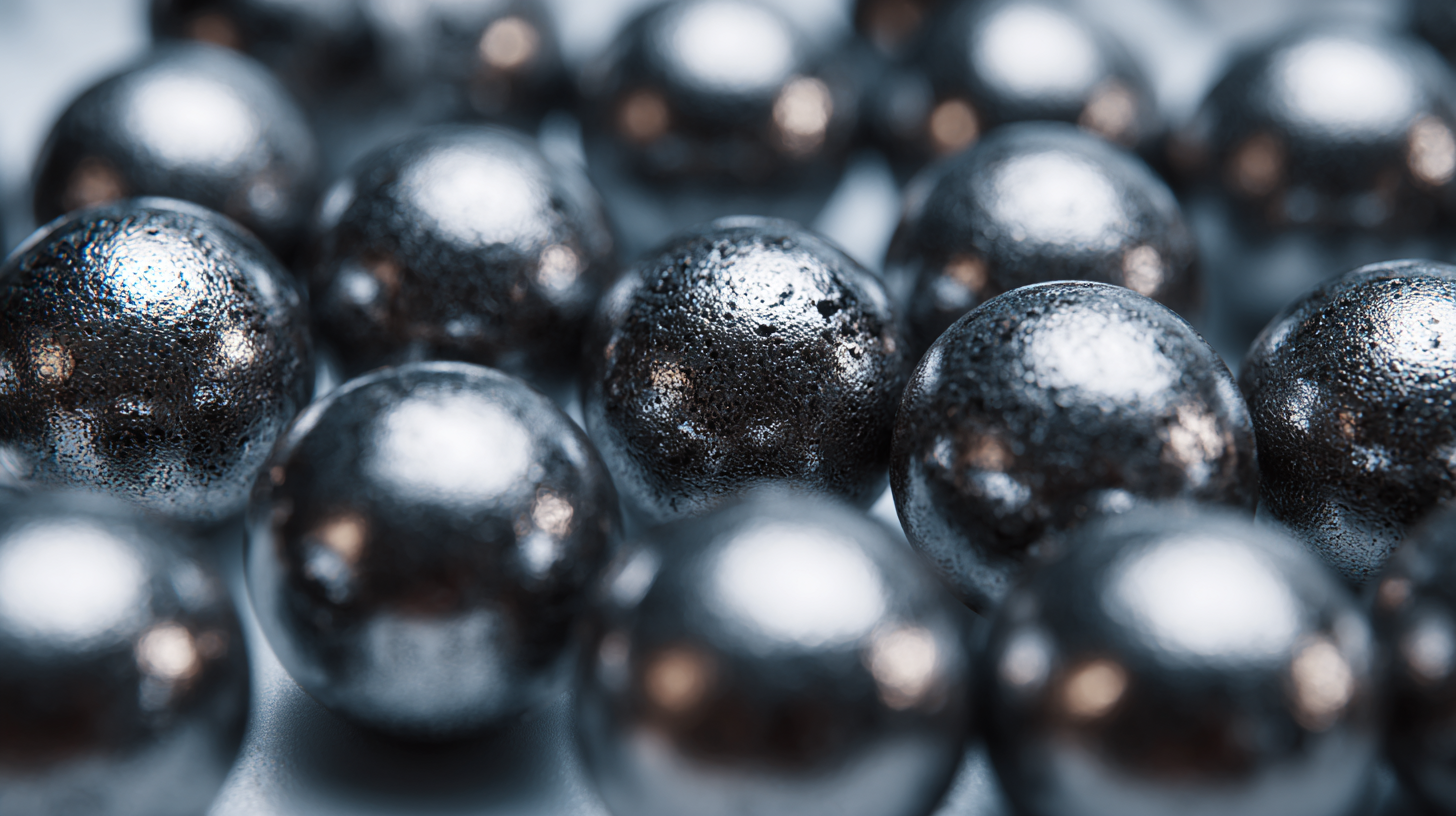
The Unique Properties of Zirconium Balls Explained
Zirconium balls have some pretty cool properties that make them super popular in a bunch of industrial uses. For instance, zirconium oxide (ZrO2) is really interesting because of its strong structural and optical features. People are especially interested in how it works for things like photocatalysis and shielding against radiation. Recent studies even show that adding a bit of iron to these materials makes them perform even better—this means they’re useful in everything from cleaning up environmental messes to pushing the boundaries in advanced materials science. You can really see how versatile these nanoparticles are—they’re like the Swiss Army knives of industrial materials.
As for the market, zirconium oxide (ZrO2) balls, especially for bearings, are expected to see pretty impressive growth. Experts think it’ll jump from around USD 250 million in 2024 to about USD 400 million by 2033. That’s mainly because industries like aerospace and automotive really need materials that can handle crazy high temperatures and corrosive conditions. Plus, zirconium balls are tough—they withstand a lot of wear and tear, making them perfect for high-performance roles. All in all, they’re becoming an essential part of modern manufacturing and engineering, no doubt about it.
10 Amazing Facts About Zirconium Balls
Zirconium balls are known for their unique properties, including exceptional corrosion resistance and high melting point. The following chart illustrates some key characteristics of zirconium balls compared to other materials commonly used in various applications.
Applications of Zirconium Balls in Various Industries
Zirconium balls are pretty remarkable when it comes to durability and resisting corrosion, which is why you'll find them in all sorts of industries. For instance, in the biomedical world, they’re commonly used in implants and dental tools because they're biocompatible and tough enough to handle the rough environment inside the body.
The chemical industry loves them too — they stand up well against aggressive chemicals, making them perfect for reactors and separators where regular materials might give out.
If you're thinking about using zirconium balls in your projects, it's a good idea to consider how well they fit your specific needs. For industries like
aerospace or automotive, where weight and strength are huge factors, choosing lightweight zirconium parts can really boost performance without sacrificing durability.
And don't forget, keeping a regular eye on these balls is key to making them last longer. Routine inspections can catch any signs of wear early on, helping you keep everything running smoothly. When you include zirconium balls in your designs or processes, you're opening the door to better durability and overall performance — pretty awesome, right?
The Production Process of Zirconium Balls: A Closer Look
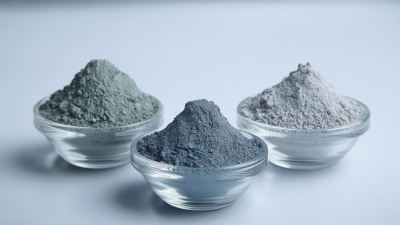
Have you heard about zirconium balls made from zirconium dioxide? They've been catching quite a bit of attention lately, especially because of their unique properties that make them stand out in pretty much any field you look at. The thing is, making these tiny spheres isn’t exactly a walk in the park—it’s a pretty intricate process with lots of careful steps to make sure they’re both durable and perform well. It all starts with high-purity zirconium oxide powder, which is basically the main ingredient. That powder gets compressed into spherical shapes under a ton of pressure, kind of like packing a snowball tightly. Then, these compacted spheres are heated up in a process called sintering—think of it as baking them at really high temperatures—to help the particles bond together tightly, giving the final product its strength.
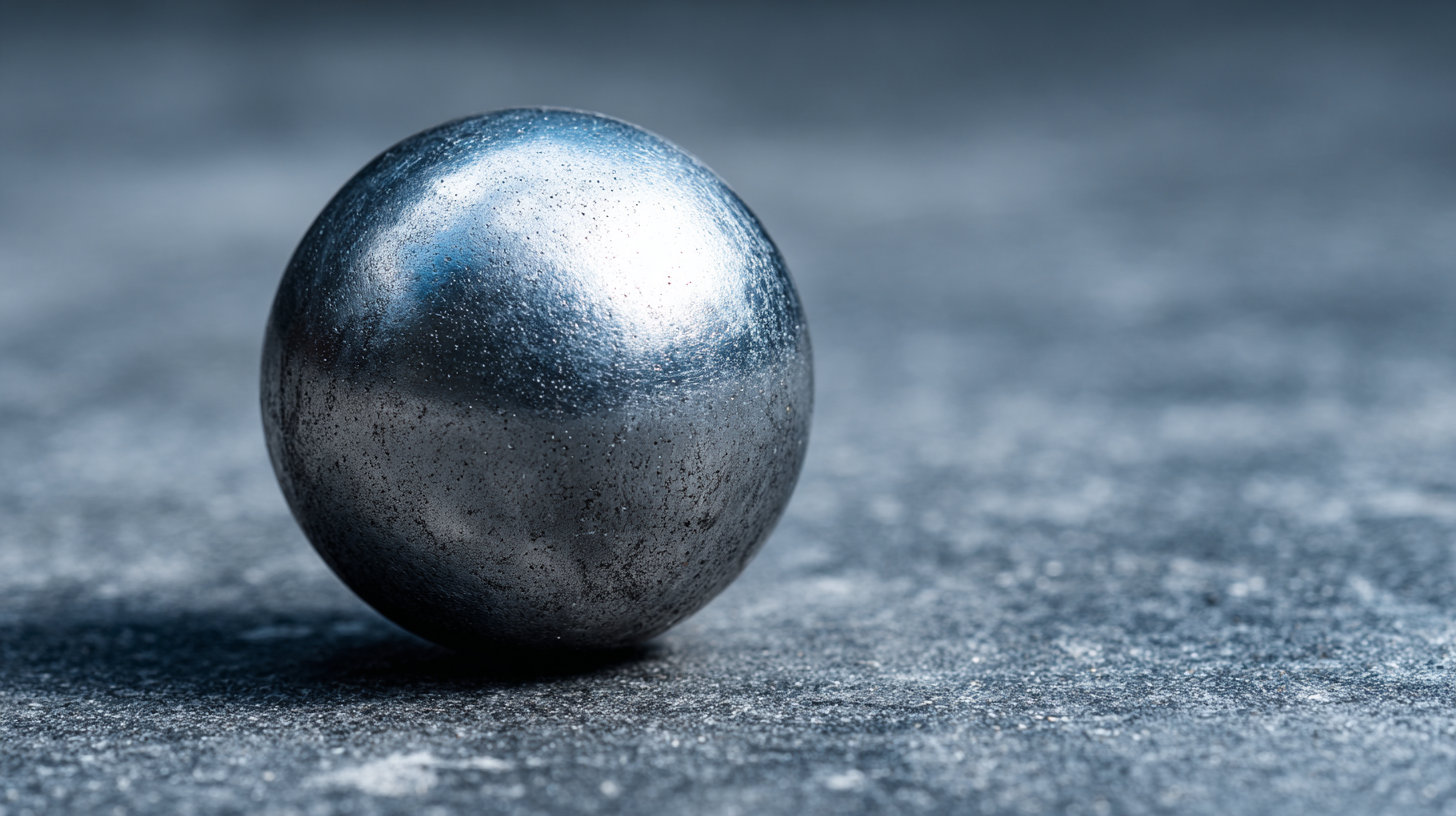
When you look into how they’re made, it’s clear that choosing the right materials and controlling the process carefully is super important—not unlike what’s done with ancient artifacts like Egyptian faience, where material choice really affects their longevity. By keeping an eye on factors like temperature and the atmosphere during sintering, manufacturers can reduce porosity and boost strength, ensuring these zirconium balls can handle the test of time. Whether they’re used in medical devices, aerospace tech, or industrial applications, these little guys are built to last—and it’s all thanks to some pretty meticulous craftsmanship behind the scenes.
Comparing Zirconium Balls to Other Material Options
So, when you're picking materials for different projects, zirconium balls really stand out — they have some pretty cool qualities that set them apart from the usual stainless steel or ceramic options. For one, zirconium is fantastic at resisting corrosion. That means if you're working in tough environments with harsh chemicals or extreme conditions, it’s a solid choice. Unlike stainless steel, which can rust and degrade over time, zirconium balls keep their shape and strength much longer, so they end up being more reliable and durable in a bunch of industries.
Plus, zirconium balls are a lot lighter than ceramic ones, which is great if you need something both strong and lightweight. It’s a real win in situations where performance matters but you don’t want to add extra weight. They also have a smoother surface finish, meaning they wear down less during high-speed operations. That not only extends their life but also reduces how often you need to replace them, saving on maintenance costs. All in all, these qualities are making zirconium balls more and more popular across different sectors — they’re quickly climbing the ladder as a top material choice.
10 Amazing Facts About Zirconium Balls You Need to Know Now
| Fact |
Zirconium Balls |
Comparative Material Options |
| 1. Density |
6.49 g/cm³ |
Steel: 7.85 g/cm³ |
| 2. Corrosion Resistance |
Excellent |
Aluminum: Moderate |
| 3. Hardness |
About 1200 HV |
Carbon Steel: 150-300 HV |
| 4. Bio-Compatibility |
High |
Titanium: High |
| 5. Thermal Conductivity |
22 W/mK |
Copper: 401 W/mK |
| 6. Melting Point |
1855 °C |
Aluminum: 660 °C |
| 7. Electric Conductivity |
Poor |
Copper: Excellent |
| 8. Application |
Aerospace, Medical |
Automotive, Construction |
| 9. Oxidation State |
+4 |
Iron: +2, +3 |
| 10. Cost (per kg) |
$30-$50 |
Steel: $0.5-$1 |
The Environmental Impact of Zirconium Ball Manufacturing
Zirconium balls are pretty common in a bunch of industrial applications, but honestly, their production isn’t exactly eco-friendly. The way they’re made involves a lot of chemical processes that can release nasty byproducts and harm the environment. Lately, there’s been a push towards greener ways to make these materials — people are starting to see that it’s crucial to think about the ecological impact right from the get-go. For example, with things like metal-organic frameworks (MOFs), manufacturers have started using more sustainable methods, which reduce the overall environmental footprint. If we could apply similar ideas to making zirconium balls, we’d be doing a lot better for ecosystems and the planet.
On another note, recycling zirconia waste — especially from dental ceramics — is gaining attention as a smart way to cut down waste and lessen environmental harm. Studies have shown that waste from making dental prostheses can actually be repurposed into materials that work just as well, without sacrificing quality. That’s a huge plus because it saves raw materials and cuts down on overall waste. Plus, there's interesting research on using ball milling techniques—basically mechanochemical processes—that cut down on the need for solvents, aligning really well with green chemistry principles. As the industry shifts towards more sustainable practices, mixing in innovative recycling and processing methods like these will be key for producing zirconium balls responsibly and with less environmental impact.
Future Trends in Zirconium Ball Technology and Innovation
Looking ahead, the future of zirconium ball tech is pretty exciting, thanks to all the new stuff happening in materials science and engineering. As industries keep hunting for high-performance, corrosion-resistant materials, zirconium balls are definitely becoming key players—in everything from medical gadgets to aerospace parts. Researchers are experimenting with alloying zirconium with other elements to boost its strength and durability, all while keeping it lightweight. That kind of innovation could open the door to all sorts of new designs, pushing the limits of what we thought was possible and leading to sleeker, more efficient systems.
And get this—smart technology is starting to make its way into how we make and monitor zirconium balls. Thanks to Industry 4.0, companies are now using IoT tech to track these balls in real-time, from production all the way through their lifecycle. That means better decision-making, predictive maintenance, less downtime—that kind of stuff. It’s all about making operations smoother and more efficient. As all these trends develop, the zirconium ball industry isn’t just focusing on improving the material itself, but also on adopting cool new manufacturing methods like 3D printing. That could totally shake up the market down the line.
Optimizing Performance with Zirconia Ceramic Bearing Balls: A Guide to Precision and Durability
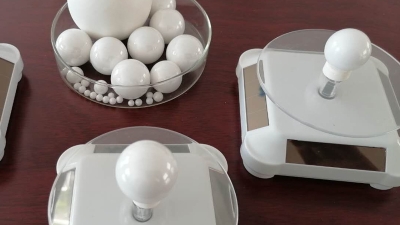
Zirconia ceramic bearing balls have emerged as a game-changer in industries where precision and durability are paramount. Designed for high and very high-speed applications, these balls offer unparalleled versatility. Their ability to accommodate both radial and axial loads in any direction makes them ideal for a range of machinery, from delicate instruments to robust industrial equipment. With minimal maintenance requirements, users can focus more on operational efficiency rather than frequent upkeep, ultimately improving productivity.
One of the standout features of BZS Zirconia ceramic balls is their exceptional quality. Customers frequently commend these bearings for their performance, which combines high speed capabilities with the strength needed to withstand demanding conditions. Additionally, BZS offers both neutral and customized services, catering to the specific needs of various applications. This customer-centric approach ensures that businesses receive not only high-quality products but also solutions tailored to their unique operational requirements, all at a reasonable price. Embracing zirconia ceramic bearing balls can be a pivotal step towards optimizing performance and ensuring longevity in mechanical systems.
FAQS
: The manufacturing process of zirconium balls can release harmful byproducts and contribute to environmental degradation due to various chemical processes involved.
There is a growing emphasis on adopting greener synthesis methods and integrating environmental assessments, such as developing metal-organic frameworks (MOFs) for more sustainable production.
Recycling waste from dental ceramics allows for the repurposing of materials without compromising quality, conserving raw materials and reducing overall manufacturing waste.
Mechanochemical processes, such as ball milling techniques, can minimize solvents used in production, aligning with green chemistry principles.
Innovations such as alloying zirconium with other elements to enhance strength and durability, as well as integrating smart technology for real-time quality control, are expected to shape the future of zirconium ball technology.
The rise of Industry 4.0 is leading manufacturers to implement IoT solutions for tracking the lifecycle of zirconium balls, which facilitates predictive maintenance and enhances operational efficiency.
Advanced zirconium balls are likely to be used in high-performance applications across various fields, including medical devices and aerospace engineering.
As industries demand durable and lightweight materials, enhancing the corrosion resistance of zirconium balls is critical for their performance in harsh environments.
Innovative techniques such as additive manufacturing are being embraced, which may reshape the market landscape and improve manufacturing capabilities.
By implementing smart technology, manufacturers can make informed decisions based on real-time data, which can reduce downtime and improve overall production efficiency.